The Conversation
By this Author
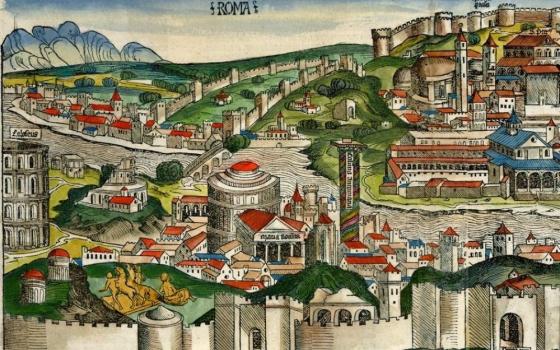
Palaces and the pope: The fascinating story of how Renaissance Rome was rebuilt
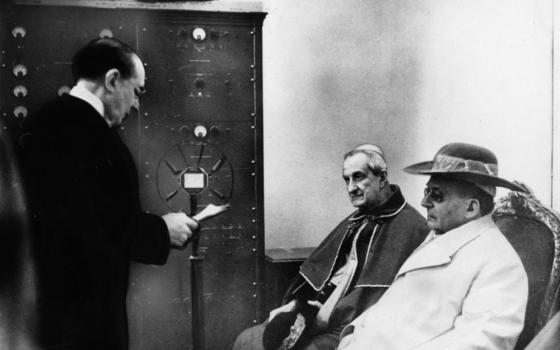
Subsidiarity: The Catholic principle guiding popes through tech upheavals, from the Industrial Revolution to AI
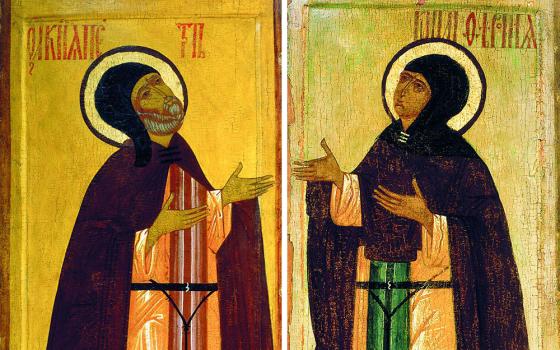
How Russia turned to saints in its push for 'traditional values' — and more babies
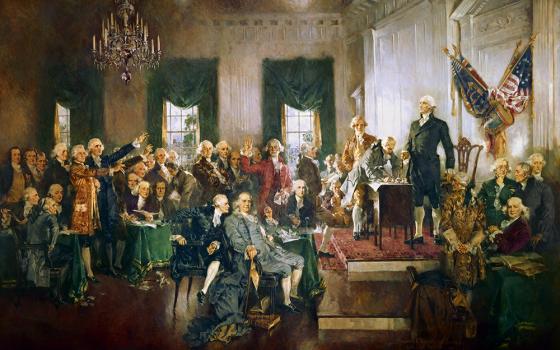
The US founders' other revolutionary choice: Separating religion and government
America's founding promise of religious freedom has long needed defense
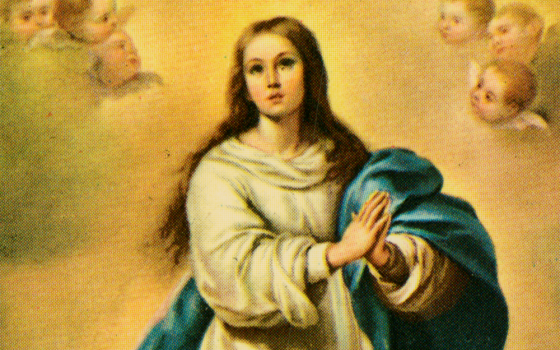
Why Mary, as the Immaculate Conception, became patron saint of the US in the 1840s
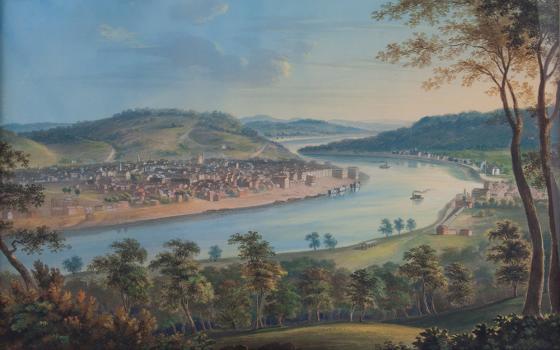
Cincinnati, where Vance converted, gives a glimpse of Catholic history in the heartland
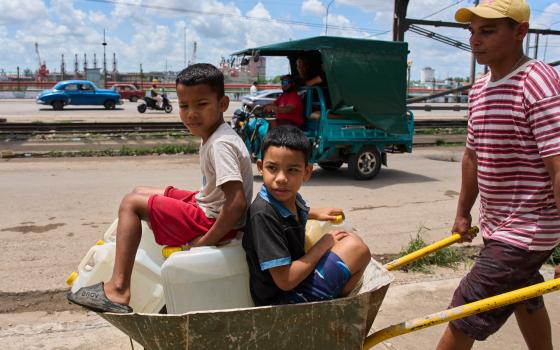
Trump administration pledges $100M in aid for Cuba, but only if Catholic or other faith‑based groups distribute it
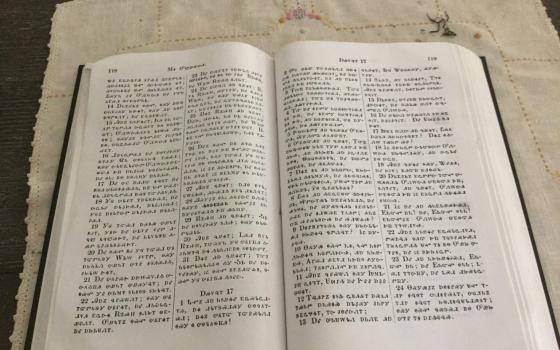
The Cherokee Bible, one of the language’s first books, is a window between worldviews
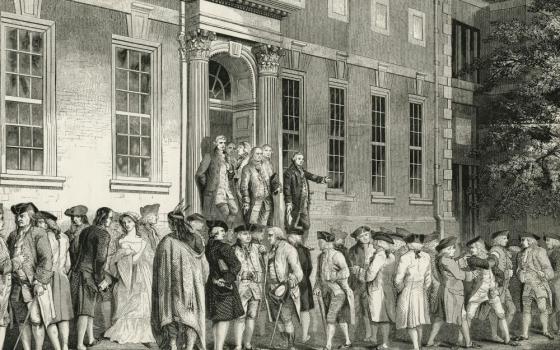
What the Declaration of Independence does — and doesn't — say about God
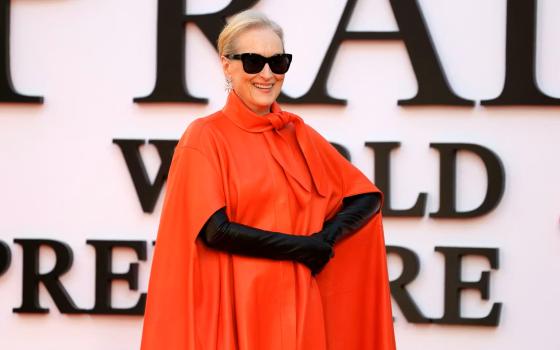
‘Devil Wears Prada 2’ and the history of Christian symbolism in modern fashion

50 years ago, Karen Quinlan's coma sparked the movement for patients' rights near the end of life
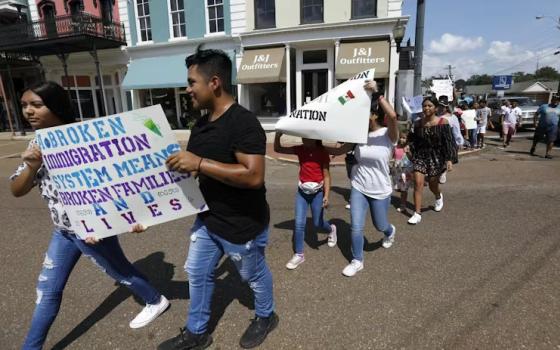
Young Latinos and their commitment to social justice are shaping the Catholic future
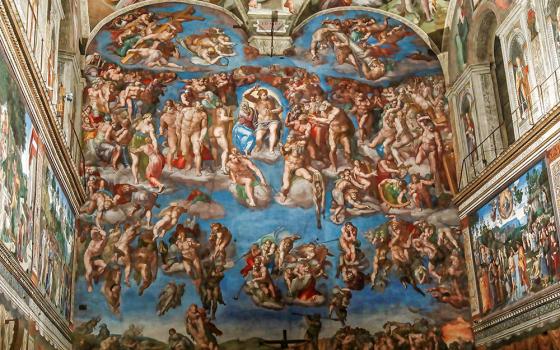
Why Michelangelo's 'Last Judgment' endures

Michelangelo hated painting the Sistine Chapel — and never aspired to be a painter to begin with
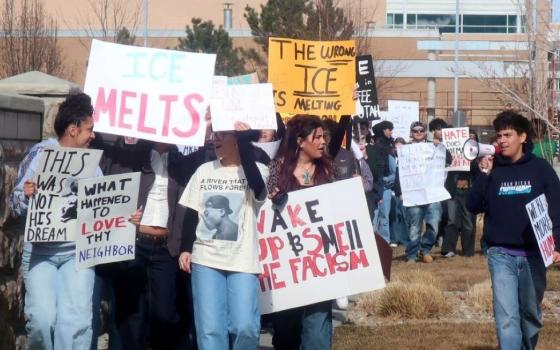
Why standing in solidarity with immigrants is an act of accompaniment in Catholic philosophy

What is and isn't new about US bishops' criticism of Trumps' foreign policy
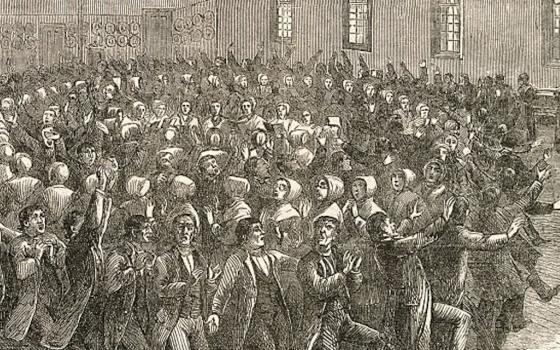
The celibate, dancing Shakers were once seen as a threat to society — 250 years later, they're part of the sound of America
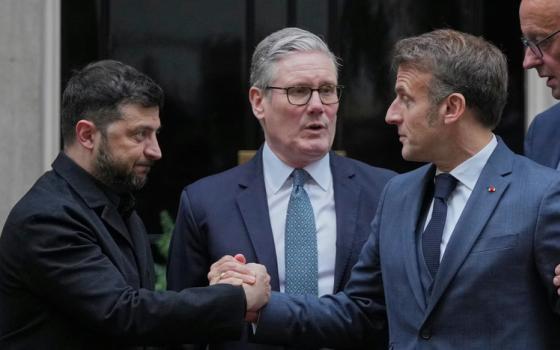
Getting peace right: Why justice needs to be baked into ceasefire agreements — including Ukraine's