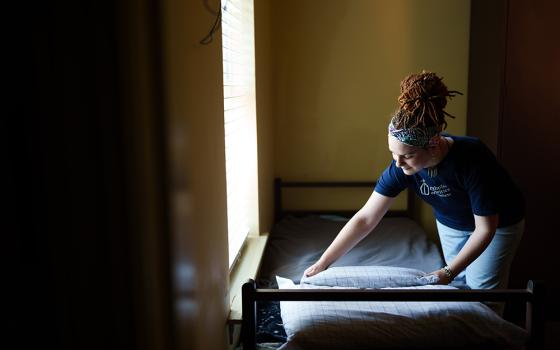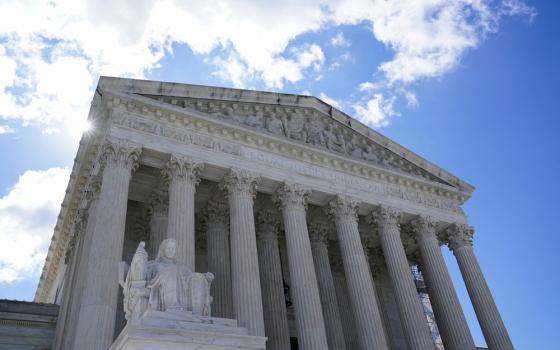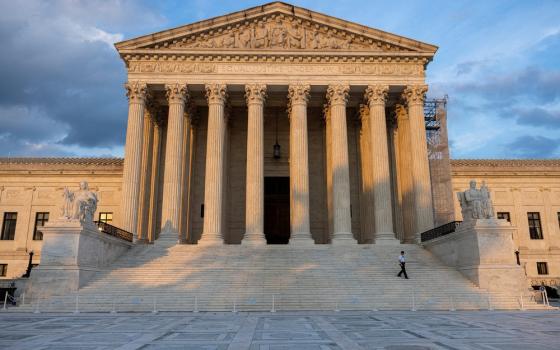
The Catholic Charities Bureau of the Diocese of Superior, Wisconsin, filed an appeal to the high court of a March 14 ruling by the Wisconsin court that Catholic Charities is not exempt from paying into the state's unemployment insurance system because its operations aren't primarily religious under the statute.
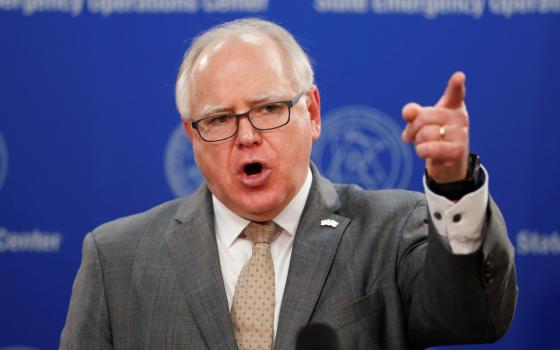
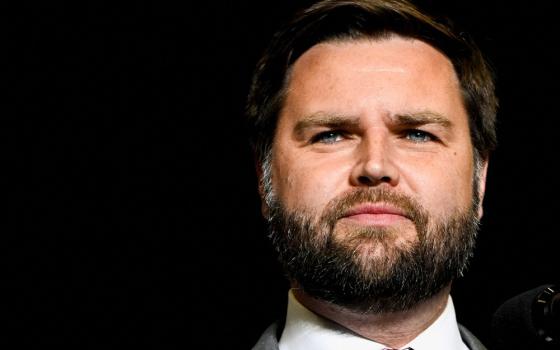
"As a governor, a coach, a teacher, and a veteran, he's delivered for working families like his. It's great to have him on the team," Harris wrote in a post on X, formerly Twitter.
The tax relief would have had a substantial direct impact on U.S. Catholic households. According to Pew Research, 55% of Catholic households make under $50,000, including 36% making under $30,000.
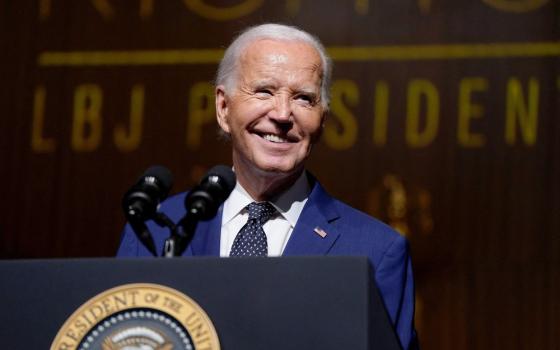
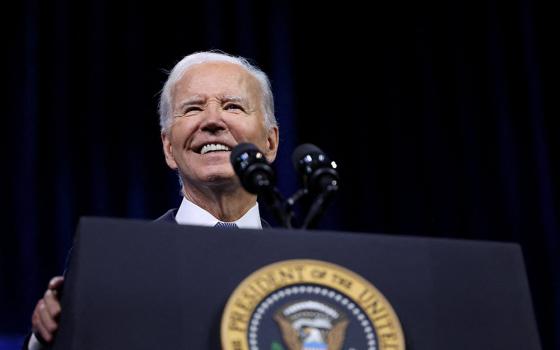
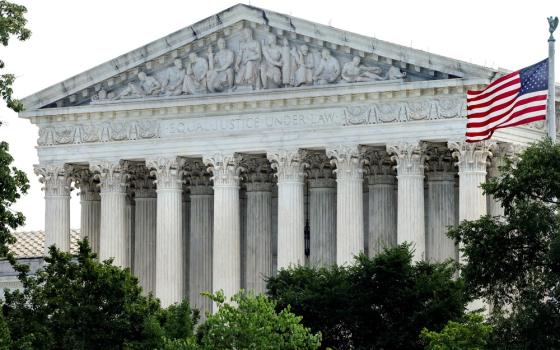
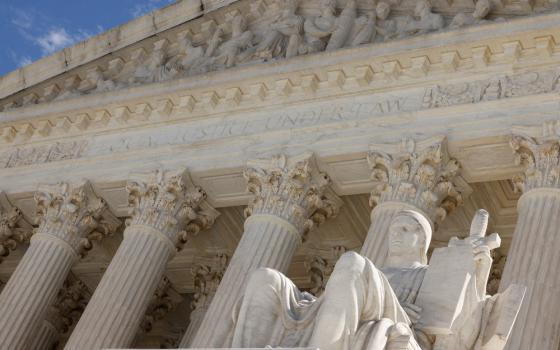
President Joe Biden July 29 called for legislation and a constitutional amendment that would result in massive changes to the U.S. Supreme Court, including term limits for justices and an enforceable ethics code.
The president's announcement brings to an end several weeks of speculation about his political future, including both his viability in the November election and his ability to serve another four years in the White House.
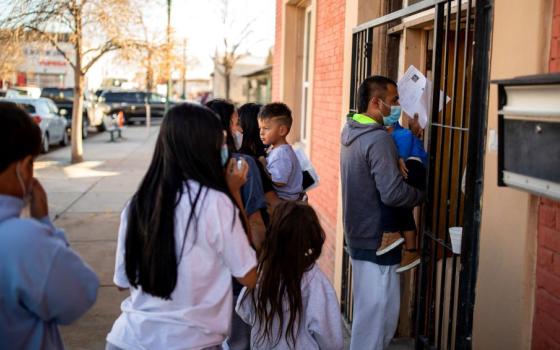
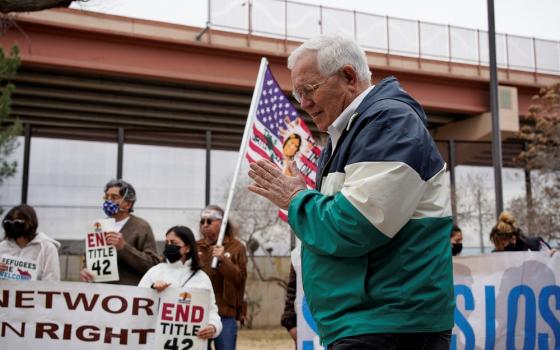
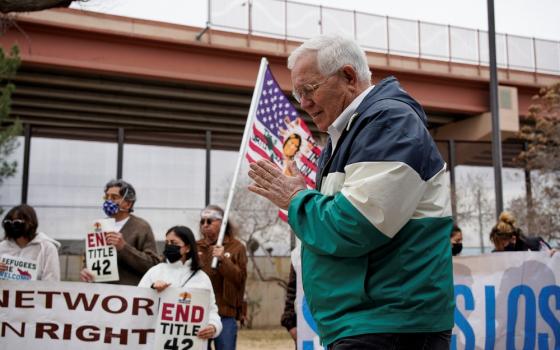
Texas Attorney General Ken Paxton filed a direct appeal July 15 to the Texas Supreme Court seeking to revive his effort to shut down Annunciation House in El Paso, Texas,
Bishop David A. Zubik of the Diocese of Pittsburgh, which includes Butler, said in a statement, "Let us join together in prayer for the health and safety of all, for healing and peace, and for an end to this climate of violence in our world."
Gov. Jeff Landry said that he vetoed the funds for the largest homeless shelter in Lafayette, Louisiana, because its operator, Catholic Charities of Acadiana, works with migrants. The governor, a Catholic, alleged Catholic Charities facilitates illegal immigration, a charge the agency denied.
A state judge denied Texas Attorney General Ken Paxton's effort to shut down Annunciation House in El Paso, Texas, a Catholic nonprofit serving migrants.
The Supreme Court has overturned the Chevron deference, reducing the regulatory power of federal agencies — some of which have led to major disputes with the Catholic Church and Catholic entities.
The Supreme Court on June 27 dismissed a case concerning abortions for medical emergencies in Idaho, sending the case back to a lower court without resolving the central question of whether a conflict exists between Idaho's abortion restrictions and federal law governing emergency health care.
The Supreme Court June 26 ruled in favor of the Biden administration in a dispute with Republican-led states over the government's effort to restrict misinformation on social media on topics including COVID-19.
The Supreme Court on June 24 agreed to hear a challenge to a Tennessee state law banning certain types of medical or surgical gender reassignment procedures for minors who identify as transgender, the high court's first major step toward weighing in on the controversial issue.
After the Supreme Court June 14 struck down a Trump-era federal ban on bump stocks June 14, the U.S. Senate tried to pass a ban on the devices by unanimous consent, a procedure in which the Senate considers a matter agreed to if no senator objects.
The Biden administration June 18 announced an executive action that allows certain noncitizen spouses and children of U.S. citizens to apply for lawful permanent residency without first having to leave the country, as they were previously required to do.
A lawyer representing Annunciation House in El Paso, Texas, a Catholic nonprofit serving migrants, told reporters shortly after a June 17 hearing in the case that Texas Attorney General Ken Paxton's attempt to shut down that ministry is an "attack on religious liberty."
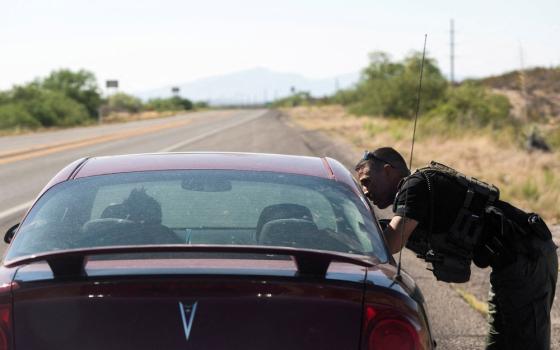
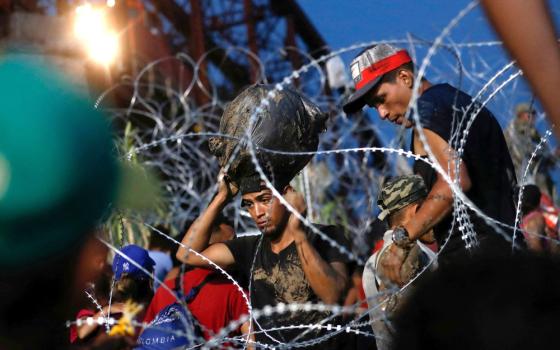
Arizona voters in November will consider a measure to make unauthorized crossings of the state's international border a state crime separate from a federal one after state lawmakers approved its inclusion on the general election ballot.