Religion News Service
Religion News Service (RNS) es una fuente independiente y sin fines de lucro de información y análisis sobre religión, espiritualidad, cultura y ética. Fundada en 1934, distribuye sus contenidos a medios de comunicación y publicaciones de distintos países.
By this Author
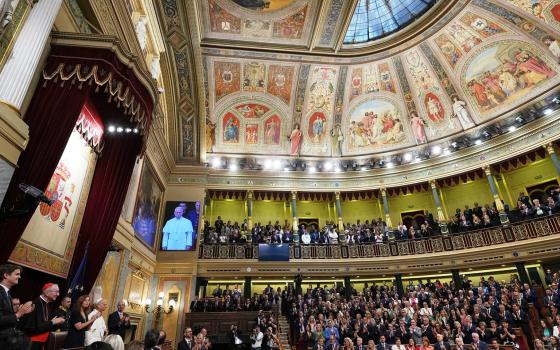
Pope Leo reveals his political theology in Spain

Why soccer fandom in Latin America feels sacred

Pepper-sprayed yet undeterred: Faith leaders keep ministering at Delaney Hall

Kate Bowler on unexpected joy, even in the midst of pain

Bad Bunny wants to meet Pope Leo XIV. In Madrid, a crossover event is in the works.
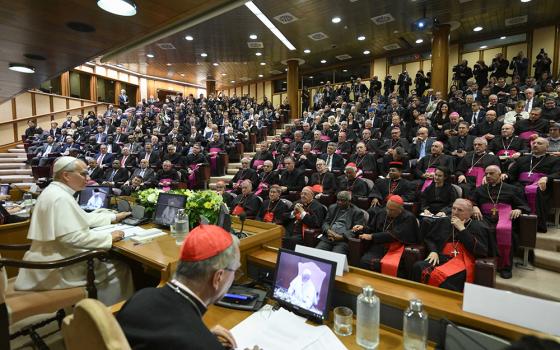
A Catholic solution to gender bias in AI

With pregame invocations and cheering nuns, NBA playoff teams embrace faith
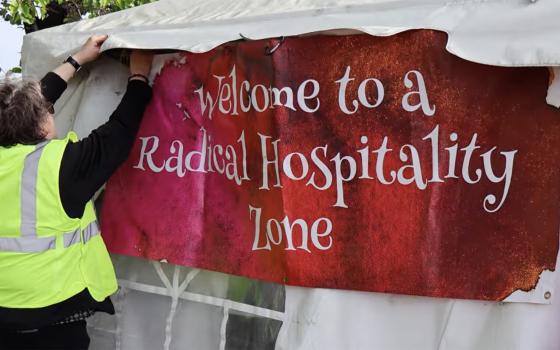
Amid protests at Delaney Hall, a Catholic nun has been offering 'radical hospitality'

After refugee aid cuts, faith groups help Afghan women connect through sewing

AI has a bias toward Catholicism, researchers say
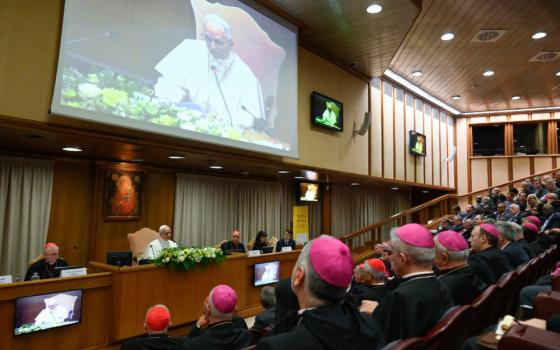
In 'Magnifica Humanitas,' Pope Leo delivers on a people-first vision for AI
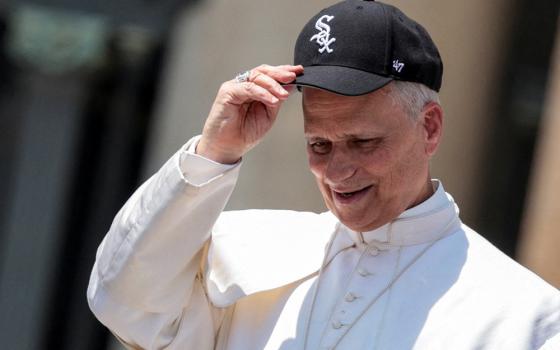
With his first encyclical, Pope Leo hits it out of the ballpark

In Los Angeles, a sister offers shelter and mercy to immigrants convicted of crimes

Synod study group calls for greater role for laity in the selection of bishops

Catholic diocese fights Trump administration plan to seize pilgrimage site for border wall

Black clergy strategize, preach and urge election turnout after Voting Rights Act gutting

Trump and the Supreme Court are undermining democracy. Here's what voters can do now.

Vatican criticizes conversion therapy, features gay Catholic testimony in 'historic' report

In ‘Conversion Therapy Dropout,’ a survivor exposes the discredited practice