(Unsplash/Annie Spratt)

by Ken Homan
Join the Conversation
Send your thoughts to Letters to the Editor. Learn more
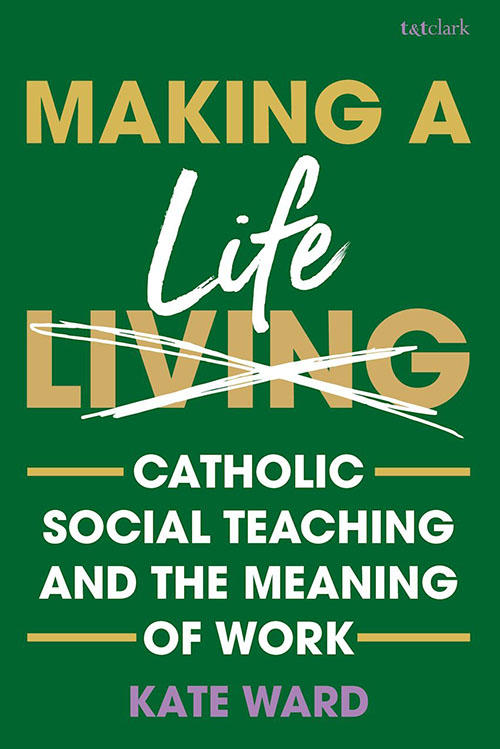
In Making a Life, Marquette University theological ethicist Kate Ward offers a fresh, useful and challenging approach to Catholic social teaching and work. Across this relatively short and eminently readable text, Ward successfully accomplishes two main tasks: expanding commonly held understandings of work, and establishing why said expanded definition of work leads to a reevaluation of worker justice.
Ward opens the text and immediately sets forth two proposals: Read Catholic social teaching for its content, not its messenger, and shift our definition of work. Ward challenges those with presumptions about Catholic social teaching to embrace introspection and lay foundations for collaborations amid differences. Moreover, introspection adds spirituality to the material to combat injustices like workism, burnout and sexism.
Ward's definition of work is "any activity where humans use our abilities to transform creation, whether or not we are paid for that activity and whether it is good for us or exploitative." Work therefore includes the labor one does, but not necessarily for pay — cooking, yard work, budgeting and making appointments all fall under the umbrella. Put succinctly: If you would pay someone else to do it for you, it is work when you do it yourself, even if done out of commitment to family or community.
Work is a duty for humans but, Ward argues, not all work should be done for pay. Work is part of the human condition, but work is not the only purpose of life. In other words, we as humans are meant to work, but we are not meant to measure human dignity via economic output. This expanded definition of work especially recognizes the often-overlooked work of women.
Ward identifies the common ground between an expanded Catholic social teaching definition of work and modern feminist thinking on care. Women historically and currently take on tremendous extra labors around family and community care, frequently due to cultural and religious expectations.
Some scholars have dubbed this vital care work "reproductive labor," noting that it is underrecognized and undervalued because capitalist actors show little interest in that which is not monetized. Catholic social teaching affirms that reproductive labor is work because it contributes to human thriving, is necessary for communities and transforms the world. This chapter is one of the strongest in the book.
Advertisement
On the subject of food, Ward links a Catholic social teaching vision of labor justice with a sacramental understanding of food, examining how both the production and preparation of food map our relationships between each other and the goods of the Earth. A sacramental approach toward the goods of creation — both the plants and animals as well as the technology and building materials — helps us connect the importance of those goods with the dignity of workers who bring them to the community.
Ward then moves from food to art, pondering whether the act of artmaking constitutes work, and ultimately concluding that it can be either leisure (a casual hobby) or work (both as creation and/or employment). She incorporates the philosopher Josef Pieper, who identifies three states of not working: rest amid, rest apart, and acedia, a disagreeable status that is neither relaxing nor fully engaged in work.
This chapter, and the previous one on food, lean overly reliant on psychology and process and lack the robust theology and historicity exercised in other parts of the book.
Ward closes with a discussion of just remuneration and the tools we can use to achieve justice, adeptly incorporating ways the church has sought to pursue just pay through family wages, living wages and universal basic income. After all, work is not merely about making a living, but about making a thriving and healthy life.
In these final chapters on pay and action, the inviting writing style that makes Ward's book so excellent and accessible to a broad audience falls short in communicating the discomfort that true solidarity demands of us. Solidarity must play a role beyond vague feelings of empathy; rather, solidarity insists on recognizing the interconnectedness of our wellbeing.
Despite my minor qualms, both of which may say more about my own preoccupations than Ward's writing, Making a Life is a welcome and strong text that looks at the whole person, not merely person-as-employee, and will be useful to a broad general audience. The inclusion of discussion questions and a glossary make this text particularly useful for high school, parish, youth group and introductory college courses.