(Unsplash/Kelly Sikkema)
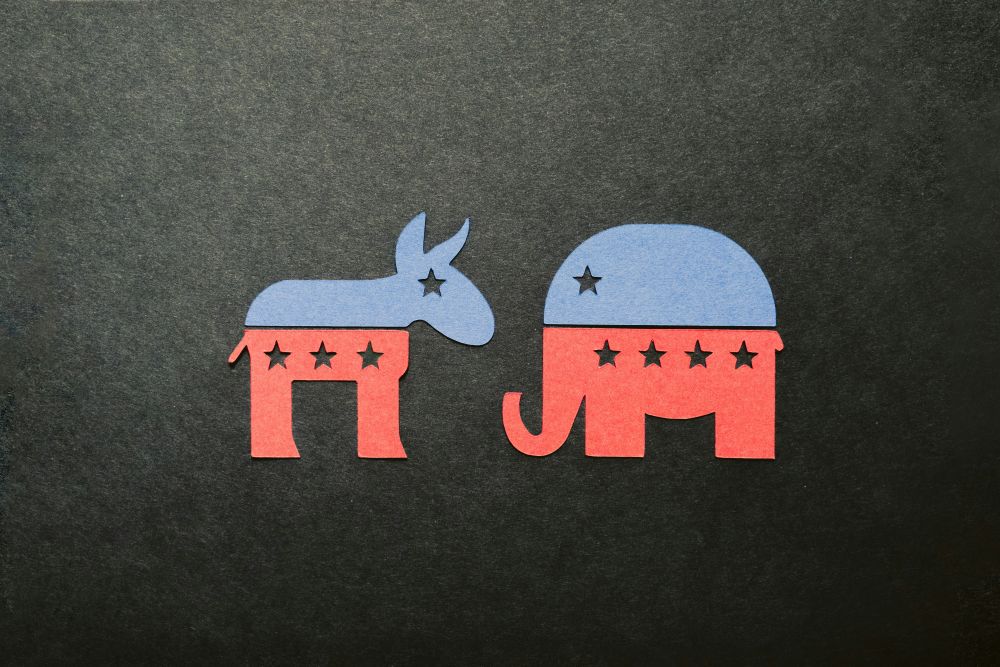
The teachings of the Catholic Church do not map seamlessly onto either major U.S. political party; as a result, the church finds itself just as polarized as the rest of society. And yet, without the option of schism, it is one of the few remaining public spaces where people with differing political viewpoints might genuinely encounter one another. In a time of global unrest, the church has an opportunity to model unity, connection and dialogue. But how?
Two new books from Catholic publishers — one by beloved hymn composer and Paulist Fr. Ricky Manalo, the other by biblical scholar Thomas M. Bolin — attempt to answer that question.
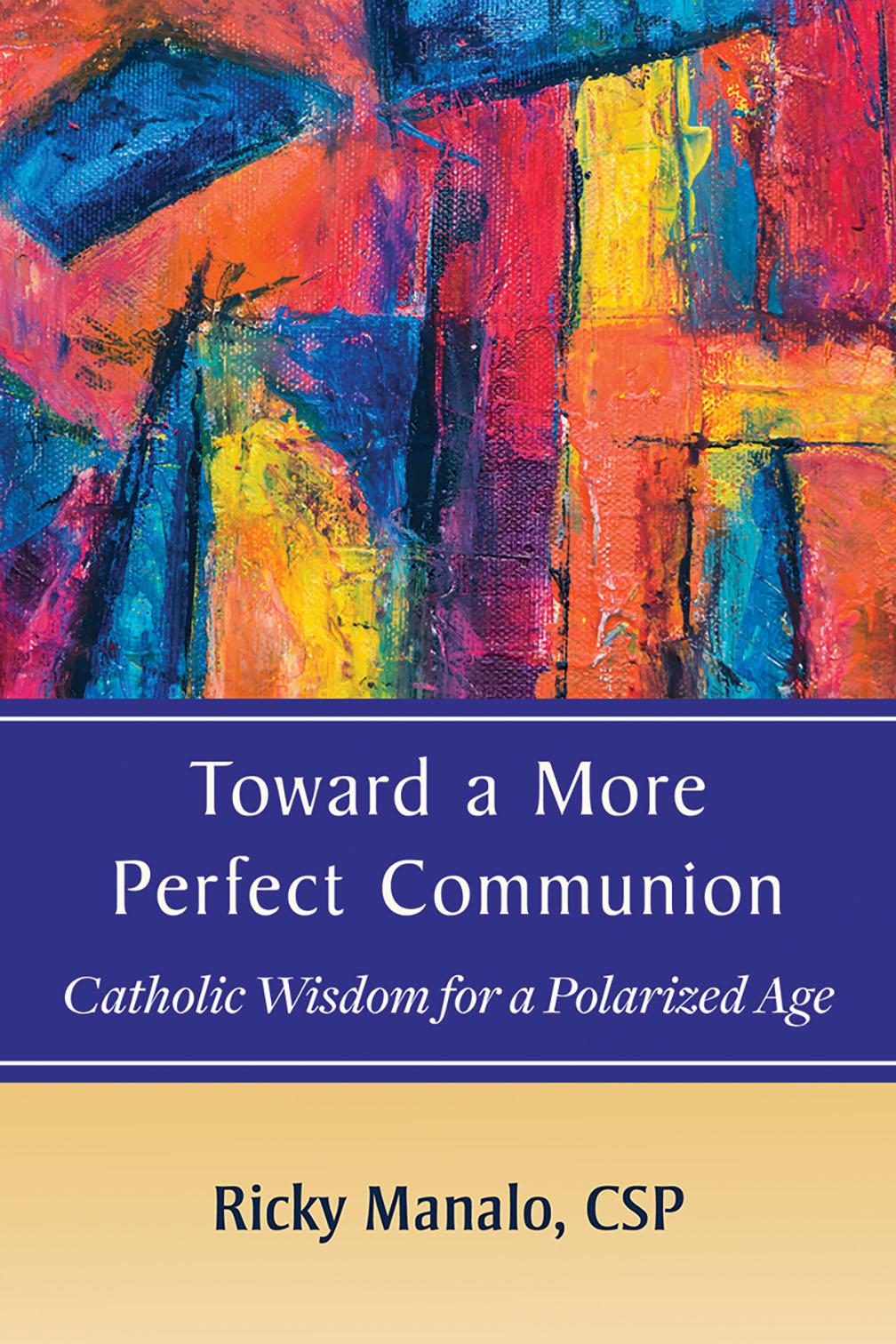
Concise, solution-focused and practical, Manalo's Toward a More Perfect Communion: Reading the Bible Responsibly in a Polarized World (Paulist Press) reminds us that the church is deeply in need of healing — and that we all, including the laity, are called to carry out that healing, particularly at the parish level.
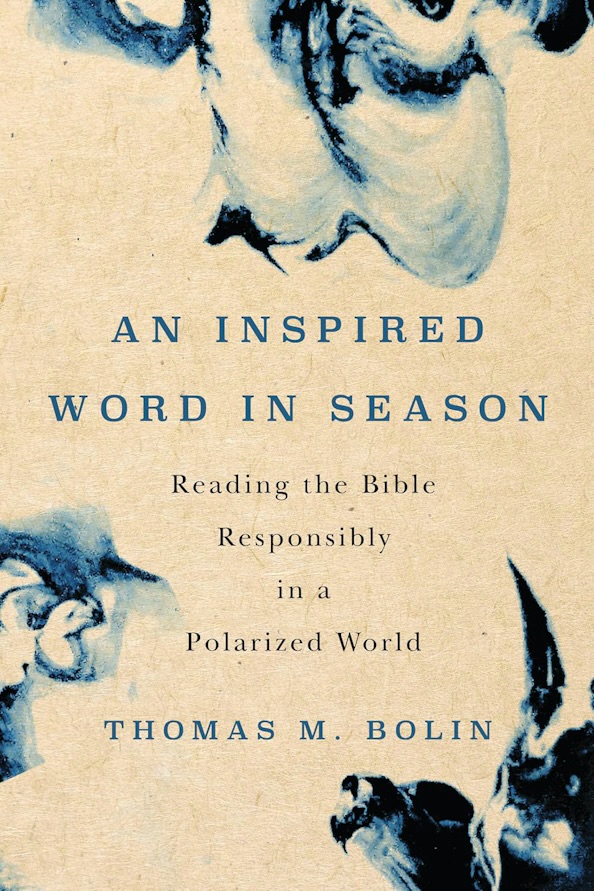
Insightful and historically grounded, Bolin's An Inspired Word in Season: Catholic Wisdom for a Polarized Age (Liturgical Press) explores the reasons why people with very different political viewpoints claim the Bible as their justification — and urges us to be conscious of the lenses through which we interpret Scripture.
Manalo offers a primer on ways to engage in dialogue across differences. After tracing the historical roots of polarization from the U.S. church of the 1950s through Vatican II through the divisive politics of today, he offers strategies for encounter, discernment, reconciliation, accompaniment and witness in various contexts.
Manalo maintains that Catholics should strive to heal wounds instead of win arguments, and offers practical suggestions for dialogue: knowing one's own emotional triggers, seeking to listen rather than argue, using storytelling to break barriers and ending conversations with a specific invitation to take a next step.
Communion stresses the importance of remaining rooted in Scripture, the sacraments and prayer while undertaking this work. "This rootedness is not a return to rigidity or nostalgia, nor is it a demand for uniformity as a sign of fidelity," writes Manalo. "It is a grounding that gives faith its depth and durability. When identity is securely rooted, it does not fear difference or close itself off from dialogue. It listens without panic and speaks without aggression, trusting that truth does not evaporate in encounter."
Each of the nine chapters begins with a short profile of someone, past or present, who has managed to cross divides and heal wounds, including Mother Cabrini, Dorothy Day, Cardinal Joseph Bernardin and Gloria Purvis. Chapters end with questions for reflection, making this book well suited for discussion in parish groups.
Bolin's book is denser and more academic, approaching the topic through Scripture interpretation. No one reads the Bible without an interpretive lens, he notes, a reality that has led to many contradictory approaches across time, such as the invoking of Scripture in the 19th century to either condone or condemn slavery, depending on the reader.
Bolin notes that while the issues have changed, disputes over how to interpret the Bible maintain this division between viewing Scripture as direct divine communication or a more generalized "divine disclosure." He cites abortion as a contemporary example of this, noting that while some readers focus on the lack of mention of abortion in the Bible, others point to texts that "articulate larger concepts that indicate the importance of human life for God in general and unborn life in particular." .
For Bolin, the most important thing we can do is to recognize that we are always reading the Bible through the lens of a particular interpretation, likely handed down to us through church tradition or various theologians' perspectives. There is no single approach to biblical interpretation, he emphasizes.
Citing Pope Francis' encyclical Fratelli Tutti, he calls for dialogue that takes place over time. "Rather than engage in a 'gotcha' moment to earn fictitious points in some imaginary contest that views serious disagreement about an issue as a zero-sum game to be won at all costs," he suggests, "both parties in the conversation can explore which values and reading traditions underlie the selection of certain biblical passages rather than others."
Advertisement
Both Toward a More Perfect Communion and An Inspired Word in Season provide helpful frameworks for engaging in dialogue across differences. However, both fail to take into account the challenge of relating to parties who are unable or unwilling to engage in dialogue.
Considering the impact that polarization is having on many families today, including mine, it's regrettable that neither text addresses this particular hurdle. As the only child of two octogenarians, the divide between our politics has become increasingly stressful as my role as caregiver has grown. I was disappointed not to find advice in these pages for what to do, and how to cope, when conversations become heated and dialogue breaks down.
In April 2024, Manalo gathered about a hundred Catholic clergy, religious, media professionals, educators and social service providers from around the U.S. for a Paulist summit on polarization. (One memorable keynote was a charitable discussion between Joe Ferullo, then CEO of this publication, and Jeanette DeMelo of the National Catholic Register.)
That gathering has since grown into the Communion Project, an organization aiming to create spaces of encounter within the church. Manalo's book is part and parcel with this nationwide initiative to help Catholics at the parish level.
"Rather than avoiding civic engagement out of fear of controversy," he writes, "parishes can reclaim their role as schools of communion, spaces where listening, formation, and dialogue are not add-ons but essential to the mission of evangelization."