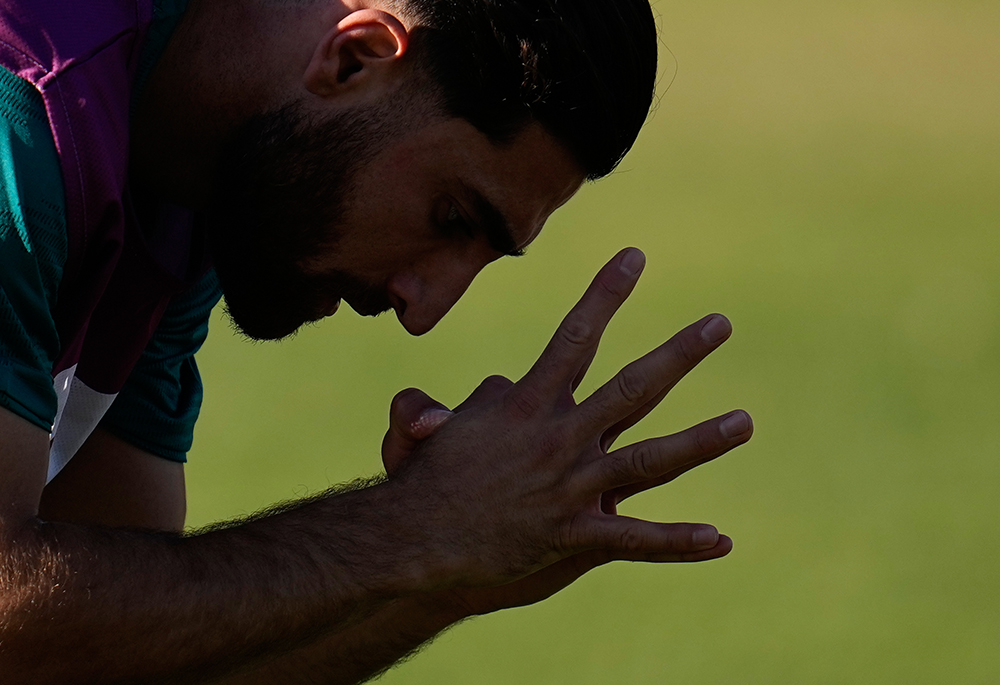
Iran's Alireza Jahanbakhsh (7) participates in a training session ahead of his team's World Cup Group G soccer match against Belgium Tuesday, June 16, 2026, in Tijuana, Mexico. (AP photo/Gregory Bull)

by Michael O'Connell
Join the Conversation
Send your thoughts to Letters to the Editor. Learn more
To follow the World Cup is to be exposed not only to a relentless stream of high-stakes soccer, but also to a surplus of narratives. What happens on the pitch is enthralling, but what these games mean for the individual players, and the countries they represent, is where we find the real magic.
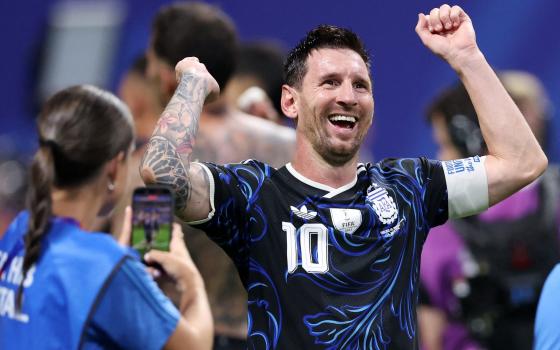
The stories that get the most headlines usually involve the brightest stars: Lionel Messi, perhaps the greatest soccer player of all time and now pushing 40 years old, scoring five times across his first two matches to set the record for most World Cup goals in history; or the best young player in the world, Spain's 18-year-old phenom Lamine Yamal, becoming one of the youngest players to ever score in a World Cup.
But the most impressive thing about the tournament so far has been smaller countries holding their own against the giants of the sport. First time participant Curaçao lost their opening game 7-1 to Germany — the expected result when a country of less than 200,000 takes on the four-time winner of the World Cup — but in their second match, Curaçao's goalie made a record-breaking 15 saves to tie a quality Ecuador team. Their fans were so proud you would have thought the team had won the finals.
Another tiny first-time participant is Cape Verde (population 530,000), who held titan Spain to a 0-0 draw in their opening match — and then scored twice against Uruguay en route to another draw. They now have a very good chance of advancing to the knockout rounds, which no one could have foreseen when the tournament began.
Perhaps most captivating of all, though, is the team in the unenviable position of representing a country at war with one of the host countries. Some of Iran's support staff, including the head of the Iranian football federation, were denied visas to enter the United States. But even the players and staff who were granted visas are facing uniquely challenging travel situations.
Iran was originally scheduled to have their home base for the tournament in Arizona, but they were forced to relocate it to Tijuana, Mexico. The change may sound minor, but it is not. Most teams have their base in the host country where they play the majority of their games, traveling to a given match location for a few days before returning to their home base.
But despite the fact that Iran plays all of their games in the U.S., they've only been allowed into the country 24 hours before each match and are required to leave the country almost immediately after playing. Iran has declared their intent to lodge a formal complaint, but the off-the-pitch adversity has not seemed to affect their performance.
Advertisement
Despite six prior World Cup appearances, Iran has never advanced out of the preliminary group stage. But in this their seventh attempt, they might just fare better. (If nothing else, goalkeeper Alireza Beiranvand may be remembered as having the save of the tournament against Belgium.) With two draws thus far, if Iran can win their final game versus Egypt on June 26, they will make it to the knockout round for the first time in history. It's even possible they might advance with only another tie.
After playing against Belgium in Los Angeles, the Iranian team left a message in their locker room, which read, in part:
We came to Los Angeles with pride, competed with honor, and leave with dignity. Thank you, Los Angeles, for your hospitality. And thank you to every Iranian who gave their heart, voice, and soul for Iran throughout these 180 minutes. May peace, respect, and friendship prevail among all nations.
There is so much soccer left to be played, but this is the greatest hope of the World Cup — that it will bring people and countries together so that "peace, respect and friendship prevail."