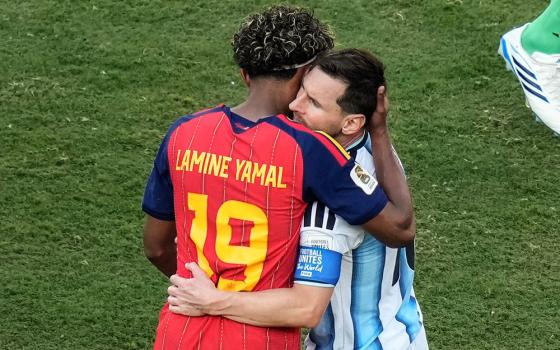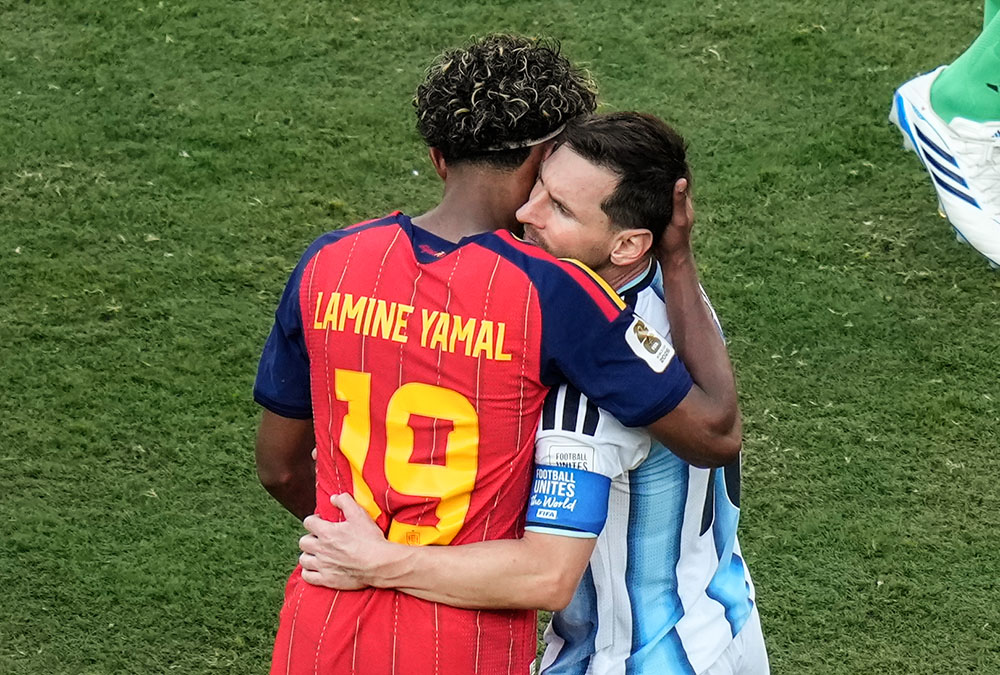
Spain's Lamine Yamal (19) and Argentina's Lionel Messi (10) embrace after during the World Cup final soccer match between Spain and Argentina in East Rutherford, N.J., near New York, Sunday, July 19, 2026. (AP/Seth Wenig)

by Michael O'Connell
Join the Conversation
Send your thoughts to Letters to the Editor. Learn more
The World Cup is over, and I am sad.
In the United States, we are currently living under a cloud, literally and figuratively. It is easy — reasonable, even — to feel pessimistic about the state of the world. But for the past six weeks the World Cup has been a daily reminder that community and celebration still exist, and that they can give us the energy to persevere.
Yes, the World Cup tournament is just a series of games, but at the same time, to quote the popular television show "Ted Lasso": "Football is life!" When John Oliver mentioned this line on a podcast last week, he pointed out that while the character who repeats the phrase always exclaims it enthusiastically, the words could just as easily be muttered while "staring blankly out of a window." Football gives us moments of joy, but also shock, loss, pain and, occasionally, boredom. It's a microcosm of life, in all its multifaceted glory.
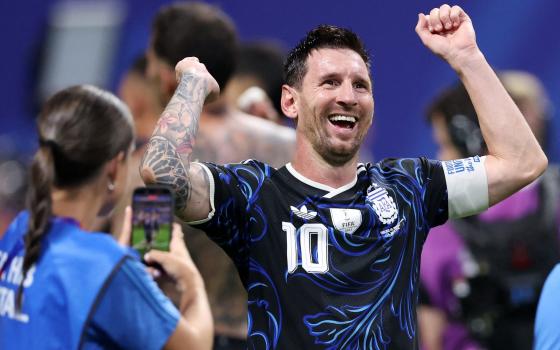
Football is politics. It is powerful people colluding over billion-dollar deals and exploiting vague provisions in the rulebook as personal favors for their partners. It is the shameful treatment of the Iranian National Team; the Argentinian players unfurling a banner claiming, "Las Malvinas son Argentinas," after defeating England in the semifinal; and arguments over the citizenship of various national team members, which are really arguments about immigration, colonization and race.
Advertisement
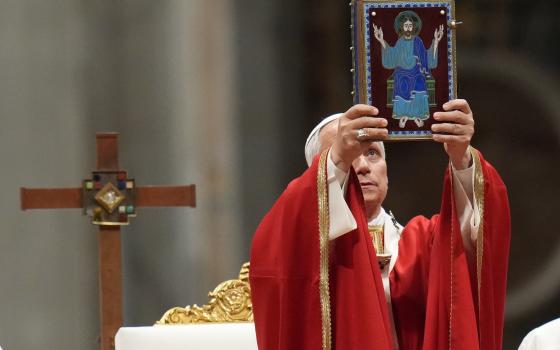
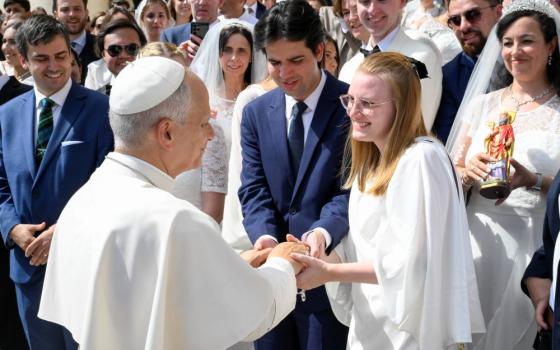
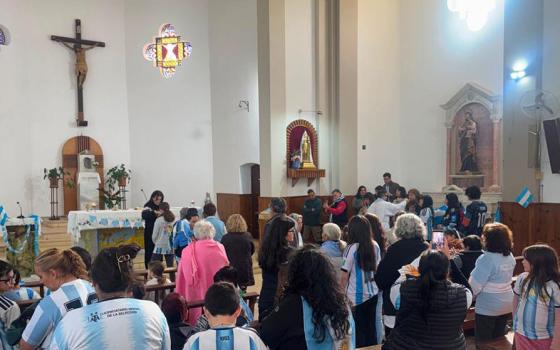
Football is religion. It is the explicit Catholicism on display in the final. It is the claim that Brazil's failures are because of the rise of evangelicalism in the country. It is FIFA allowing Muslim players to receive awards not marked by a beer sponsor logo. It is players of all faiths openly praying before, during and after matches, including players from different national teams coming together to pray after the competition ends.
Football is art. It is the fluidity of the players' movements and the way the audience is transported as we watch. It is the demand to pay close attention — to the movements of the players off the ball, the sophisticated passes that shift the defense. Training our attention allows us to see things develop before they happen, and so we come to appreciate all aspects of the game, not just the goals. This extends to the rest of life, as well.
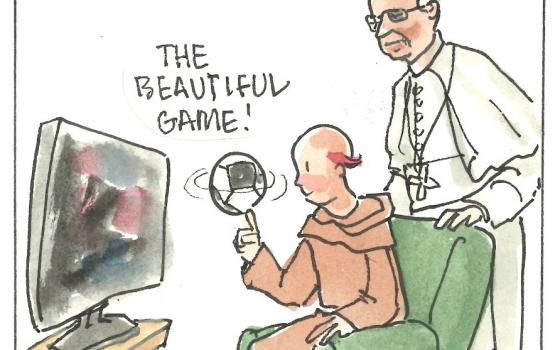
In an age of distraction and isolation, we were for six weeks invited into presence and community. We learned new things about other parts of the world and the diaspora communities in the U.S.; we met strangers and became a real, if temporary, community as we celebrated the beautiful game together. So yes, I am sad the World Cup is over. But I am hopeful that some of what it gave us will remain.