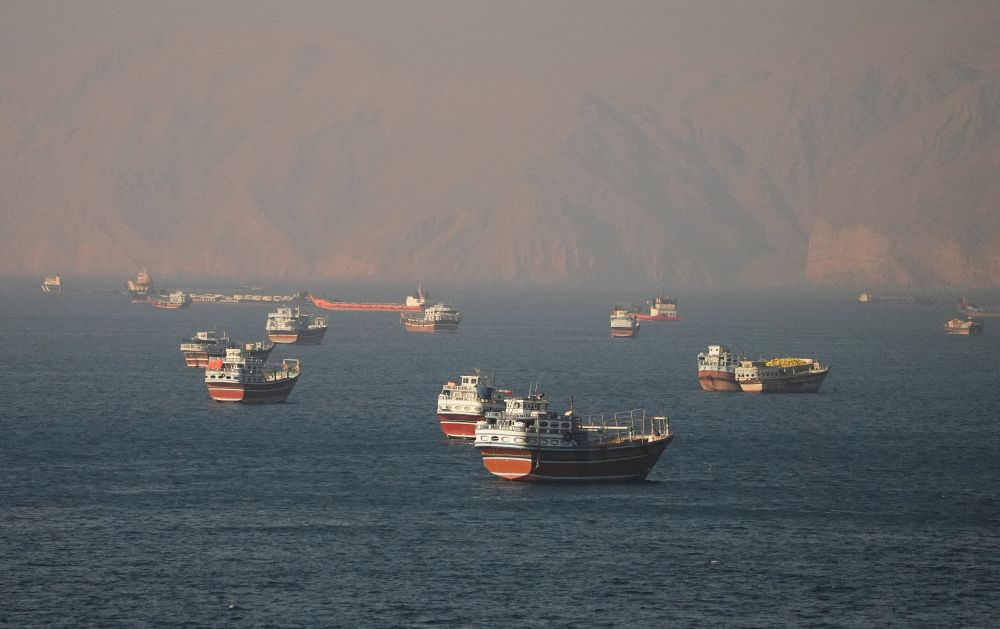
Vessels at the Strait of Hormuz, seen from Musandam, Oman, June 15, 2026. (OSV News/Reuters)

OSV News
Join the Conversation
Send your thoughts to Letters to the Editor. Learn more
Catholic leaders expressed cautious optimism about an end to the conflict in the Middle East after members of the Trump administration and Iranian officials signed a memorandum of understanding, a tentative framework to end the war in Iran.
U.S. and Iranian officials signed the MOU, a formal yet legally non-binding agreement, remotely. President Donald Trump signed the agreement June 17 at the Palace of Versailles during a dinner hosted by French President Emmanuel Macron while attending the G7 summit in France.
The MOU calls for a final deal within a 60-day window, "extendable with mutual consent."
The document called for "the immediate and permanent termination of military operations on all fronts, including in Lebanon," as well as efforts to reopen the Strait of Hormuz, a key oil shipping route.
The closure of the strait has led to a significant global spike in energy costs, which is among the factors driving opposition to the conflict among most U.S. adults, polls show. The U.S. and other countries have drained their strategic oil reserves to historic lows in order to cushion the economic blow.
The document also states the U.S. "undertakes with regional partners to develop a definitive, mutually agreed plan with at least $300 billion for the reconstruction and economic development of the Islamic Republic of Iran," which was among the parts of the agreement that were met with concern from some Congressional lawmakers, including some of Trump's fellow Republicans.
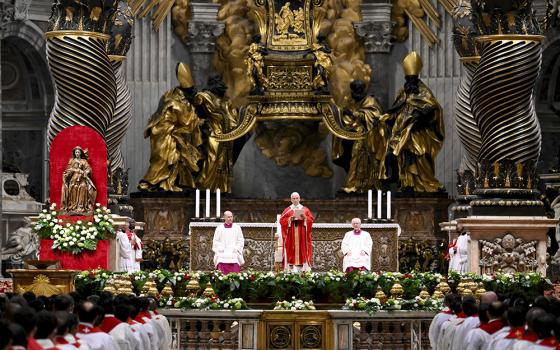
In comments June 16 to journalists in Castel Gandolfo, Italy, as news emerged of the MOU, Pope Leo XIV said he welcomed dialogue between the U.S. and Iran.
"There will still be several points to settle, but it is always better to do so through dialogue, through negotiations, and not by returning to war," he said.
In the months leading up to the MOU, the first U.S.-born pontiff opposed the U.S.-Israeli war with Iran as unjust, and called for a return to diplomacy. Trump lashed out repeatedly at Leo, wrongly claiming he supported Iran having nuclear weapons. Leo has consistently called for the rejection of nuclear weapons, and for peace and dialogue in the region.
In a June 18 post on X, Leo wrote, "I would like to appeal once again for reflection on the consequences of war and for their prevention through wise and responsible decision making, for this is not the result of an inevitable fate, but of free choices and, therefore, of morally accountable actions."
Advertisement
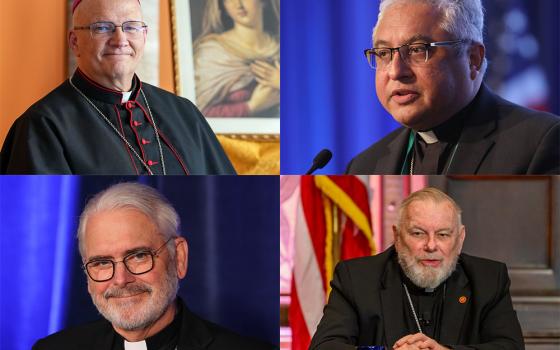
Bishop Elias Zaidan, chair of the U.S. Conference of Catholic Bishops' Committee on International Justice and Peace, echoed Leo's hopes and said in a June 19 statement, "I commend President Trump and President Pezeshkian for taking the vitally important step of signing a memorandum of understanding aimed at ending hostilities between the United States and Iran and advancing deeper dialogue for lasting peace in the region."
He said, "Preventing further proliferation of nuclear weapons is critically important for avoiding a dangerous escalation of conflict in the Middle East."
In written comments shared with OSV News, Mary Ellen O'Connell, a professor at Notre Dame Law School who specializes in international law and conflict resolution, said, "even in this preliminary form," the MOU "demonstrates the folly of unlawful war."
"The MOU reflects the high price the U.S. is willing to pay to reverse the violation of the United Nations Charter committed together with Israel on February 28," she said. "The MOU reflects Iran's demands more than the U.S.'s war goals. There is nothing, for example, requiring the Iranian authorities to hold elections or in any way promote the rule of law and respect for human rights. There is no hint the government will be anything other than the successors of the 1979 Islamic Revolution. President Trump declared he would crush that regime."
O'Connell noted the MOU also "promises respect for the territorial integrity and sovereignty of Lebanon."
Israel and Hezbollah reportedly agreed to renew a ceasefire on June 19, after fighting in Lebanon between Israel and the militant group, considered a terrorist organization by the U.S., stalled U.S. and Iranian negotiations. Israeli strikes June 18 killed 47 people in Lebanon as well as four Israeli soldiers, the BBC reported. A number of Israeli Cabinet officials called for Israel's military, which currently occupies 20% of Lebanon's territory, to inflict grave consequences on the country for the deaths of those soldiers.
O'Connell also noted the MOU's framework for peace also states Iranian frozen assets, which the U.S. began to freeze in 1979, will be made available.
"The assets and other parts of the plan bode well for peace," she said. "Getting Israel on board, adding human rights protections for Iranians, and negotiating the complex future of Iran's nuclear program, the administration of the Straits of Hormuz, rebuilding, etc. will be tall orders. Regardless, even now, the MOU is a testament against war."
In his statement, Zaidan also called on the U.S., Iran, and Israel "to now also prioritize an end to the fighting in Lebanon."
Zaidan invited people to pray the Holy Spirit "breathe wisdom, compassion, and perseverance into the minds and hearts of the negotiators, so that peace in the region may finally become a reality."