(Unsplash/Gianna B)

by James Gordon Reid Haveloch-Jones
Join the Conversation
Send your thoughts to Letters to the Editor. Learn more
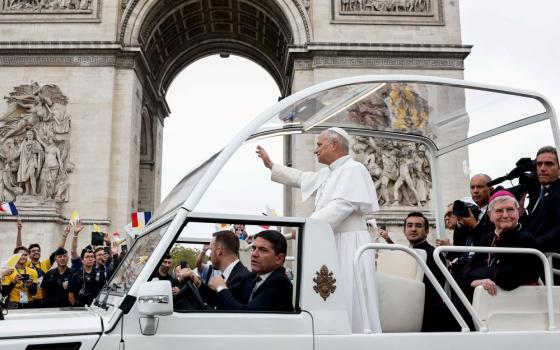
A sense of unease felt by many as a result of the United States' rapid escalation of global conflicts and the longevity of the war in Ukraine reminds one of Pope Francis' prophetic words in 2014: "Even today, after the second failure of another world war, perhaps one can speak of a third war, one fought piecemeal, with crimes, massacres, destruction."
The scale of loss is almost impossible to comprehend. Families separated, homes destroyed, communities scattered and entire nations living with the daily reality of grief. The images continue to emerge, of mothers holding photographs of sons who will not return, of elderly parents waiting in desperate hope of news that may never come and of children learning to live with absence. All confront us with the rawness of bereavement on a collective scale.
As Catholics, we are not strangers to the language of loss. The church has always held together the universal and particular, the cosmic and the intimate. And nowhere is this clearer than at the foot of the cross.
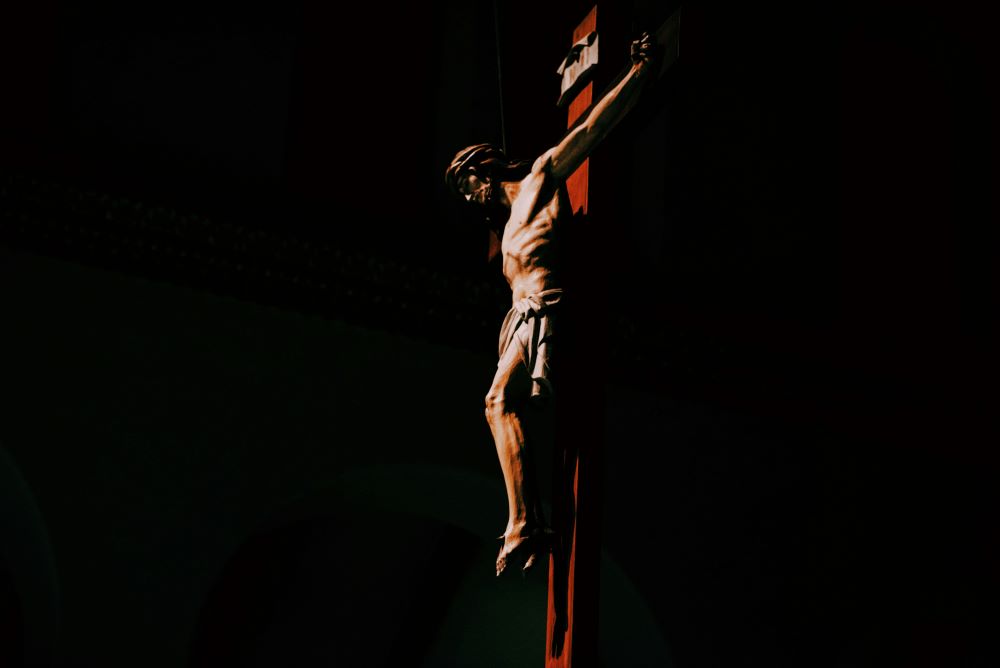
If we tarry for just a moment at Station XII, "And Jesus breathed his last" (Luke 23:46), we see an image that is at once a cosmic theological event. A moment that changed the course of world history. And an intensely intimate experience for Our Blessed Lady and the disciple whom Jesus loved. The cross is both universal and particular, and so is grief. It touches almost every human life, yet it is experienced in ways that are deeply personal, complex, and often surprising.
As we journey through Lent, the cross invites us to sit with both anguish and surrender, to encounter grief in its fullness and depth.
Scripture offers us a lens through which to understand this. Each Gospel writer portrays the words from the cross differently, giving us insight into the many textures of human sorrow. "Father, into your hands I commit my spirit" (Luke 23:46) reflects a peaceful, accepting approach to death. Equally valid, however, is the depiction of Our Blessed Lord crying out, "My God, my God, why have you forsaken me?" (Matthew 27:46; Mark 15:34). These words of abandonment resonate with anyone who has felt the sharp sting of loss — the sense of being unmoored, unheard or left behind.
Across the fields of human conflict, these cries continue to echo. It is heard in the voices of those searching for loved ones, in the silence of those who cannot speak of what they have seen, and in the quiet resilience of communities trying to rebuild their lives. The Markan and Matthean Jesus, crying out in anguish, liberates those who grieve to know that Our Blessed Lord himself felt the depths of human sorrow. We, too, are allowed to sit in that brokenness without guilt or shame.
Luke's peaceful portrayal of Christ's death reveals that even in the depths of anguish, he was ready to return to the Godhead. That surrender reminds us that letting go is not abandonment, but the beginning of a new kind of relationship. A paradox surely familiar to anyone who has grieved deeply. From Iran to Ukraine, this paradox is lived daily: holding on to memory while letting go of what cannot be restored.
An important lesson for Catholics as a community is to support those who are in grief and distress, especially in this season of Lent. The Via Crucis, the Way of the Cross, implores Catholics to stand in solidarity with the grieving. John writes: "Standing by the cross of Jesus were his mother … and the disciple whom he loved" (John 19:25-27). Here, the divine attention to others reflects back to us. Perhaps the deepest encounter with God occurs not when we are the focus, but when we witness love extended beyond ourselves. In Ukraine, this love has been seen in neighbors sheltering one another, in churches opening their doors to the displaced, and in communities refusing to let grief isolate them.
Advertisement
As we journey through Lent, the cross invites us to sit with both anguish and surrender, to encounter grief in its fullness and depth. The words of the Lukan Jesus remind us of peaceful surrender, while the cries of the Markan and Matthean Jesus reflect the raw intensity of human suffering. The Johannine account asks us to see, care for and be present with those who are bereaved. Together, these perspectives offer a sacred lens through which we can view not only our own losses, but the collective grief of nations still living through war.
In this Lenten season I invite you to sit with and consider Francis' prophetic words that World War III is being fought piecemeal. Sit prayerfully with your communities and demonstrate love in action through fasting, penance and gestures of generosity.
As Catholics, our task is not only to pray for peace, but to hold space for grief, to advocate for justice, and to accompany those whose lives have been torn apart. The cross teaches us that sorrow is never borne alone. It binds us to one another, and it calls us, even in the shadow of loss, to hope!