(Unsplash/Inge Poelman)
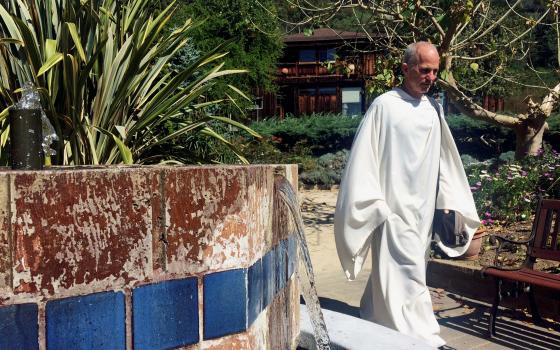
A popular nursery rhyme dwells in our collective consciousness: "Mary, Mary, quite contrary, / How does your garden grow? / With silver bells, and cockle shells, / And pretty maids all in a row." One of the deepest questions we might ask a friend is: "How does your spiritual garden grow?" We would also do well to ask it of ourselves. The Spanish poet Antonio Machado boldly asked: "What have you done with the garden that was entrusted to you?"
If you've never experienced the mystery of a resurrection, buy a package of seeds — cucumbers, pole beans, lettuce, what have you — and plant them in some fertile soil. As you push them into a dark tomb of silent earth, be assured that within weeks those seeds will break forth, throwing aside pebbles and weeds in order to grow.
That's what gardening is about, and that's what the spiritual journey is about: from darkness to light, from death to life.

(Unsplash/Priscilla Du Preez)
Each of us is entrusted with many gardens: physical, psychological, social, intellectual, moral, economic, political, historical, familial, spiritual. All of them need tending; no wonder we are often overwhelmed. A master gardener once told me that she listens attentively to what her garden tells her, their biographies full of wisdom.
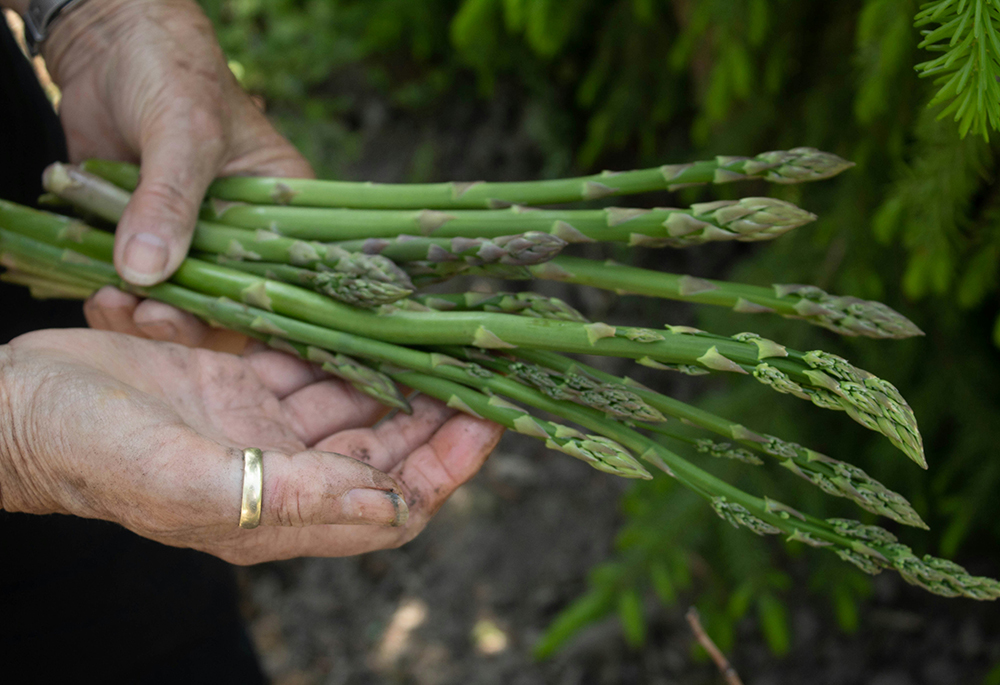
My mother used to make a delicious meal of creamed asparagus on toast. What does asparagus have to tell us about the spiritual journey? "Give! Give! Give!" Asparagus picked on Monday needs repicking on Wednesday and then Friday and then Sunday. Mother Teresa of Kolkata knew all about giving: "This is the meaning of true love, to give until it hurts." And St. Augustine, speaking about the Trinity, used the words "giver," "given," "gift." The asparagus plant teaches us about generosity.
Advertisement
Even before spring is officially announced, asparagus responds to God's gifts of rain and increased daylight. While other plants sleep in until May or June, asparagus is up and about. This noble plant fulfills its God given destiny of being for and with others.
And tomatoes! Ralph Waldo Emerson once said "the first wealth is health" — with 10,000 varieties of tomatoes available to humankind, we are rich indeed. There is a kinship between tomatoes and beauty: their shape, their variety of colors and sizes. Listen to Fyodor Dostoevsky: "The world will be saved by beauty." Who hasn't experienced salvific power through a fresh caprese salad, savory meatballs or homemade bruschetta?
In the last chapter of New Seeds of Contemplation, Thomas Merton reflects on the book of Genesis, stating that God made and delights in "the world as a garden." Moreover, God created humans to participate in God's "own divine care for created things." Tending to and caring for one another and our fragile world as gardeners do? This is the glory of God.