(Unsplash/Merrilee Schultz)

Join the Conversation
Send your thoughts to Letters to the Editor. Learn more
What makes a saint? For many Catholics, the answer begins with canonization: a formal process through which the church recognizes lives of heroic virtue and confirmed miracles. In his new book, Queer Saints: A Radical Guide to Magic, Miracles, and Modern Intercession, Antonio Pagliarulo invites readers to consider a broader understanding of holiness — one that includes not only canonized saints, but also historical figures whose lives challenged social conventions and continue to inspire others.
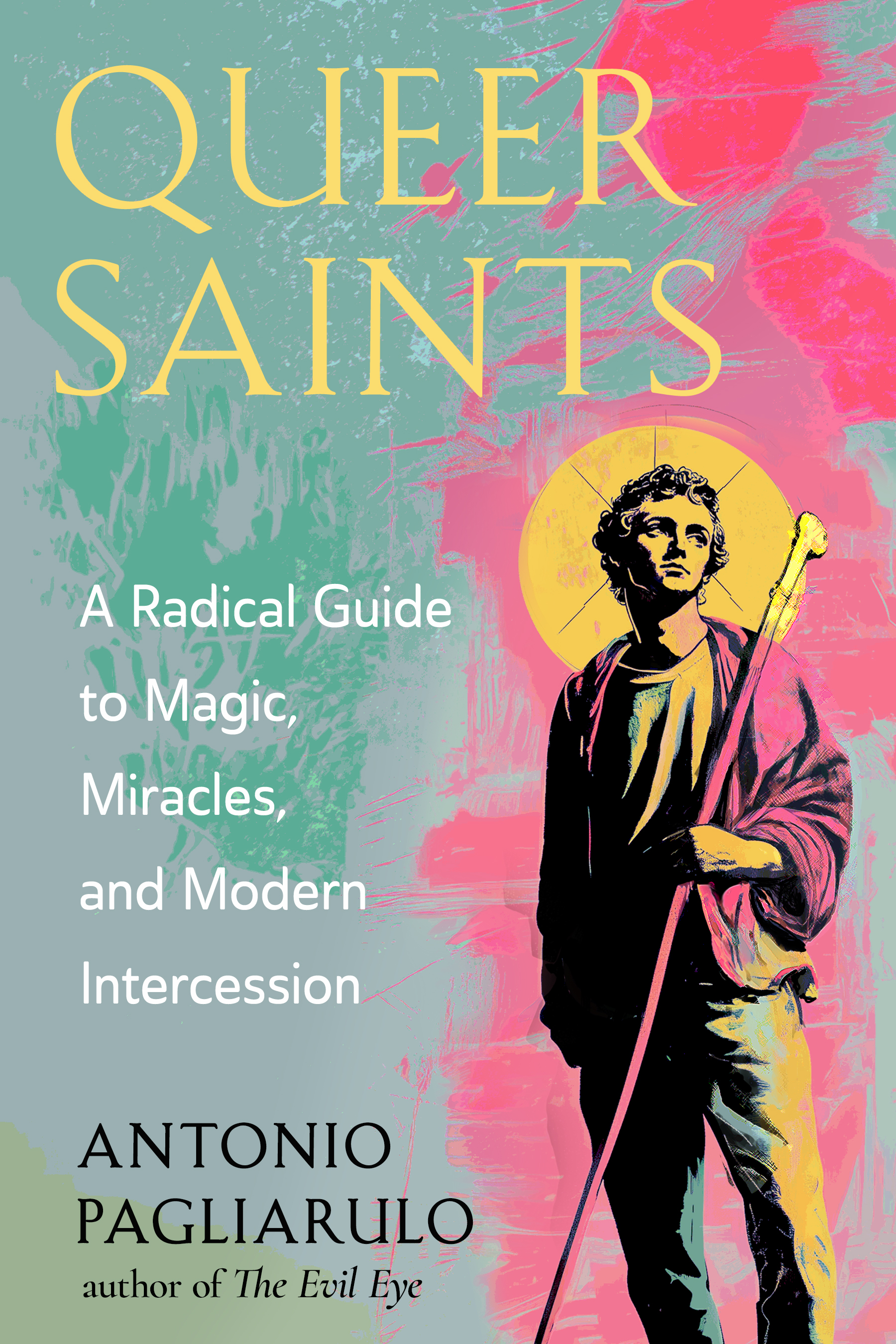
Queer Saints combines reflections on Catholic spirituality, folk devotional traditions and practical rituals with profiles of both officially recognized saints and individuals whom Pagliarulo describes as "folk saints." The book is part historical survey, part devotional handbook and part exploration of the relationship among faith, identity and everyday spiritual practice.
Central to Pagliarulo's argument is the idea that encounters with the sacred need not be confined to churches or formal liturgical settings.
"When lot of people think of an altar as something grand, and that has to be very dramatic, it has to be very theatrical almost, in a way," he said in an interview with the National Catholic Reporter. "But the first point that I want to make is that an altar can be whatever you want it to be. The true altar is inside of us."
Rather than emphasizing elaborate rituals, Pagliarulo presents the altar as an accessible place of prayer and reflection that can exist in ordinary spaces.
"If you go to the altar, which is a sacred place, you will be altered," he said. "Once you experience anything that has to do with the divine, anything that has to do with the magic of prayer, the magic of ritual, you inevitably experience a change in your inner life, and then you inevitably experience it in your external world."
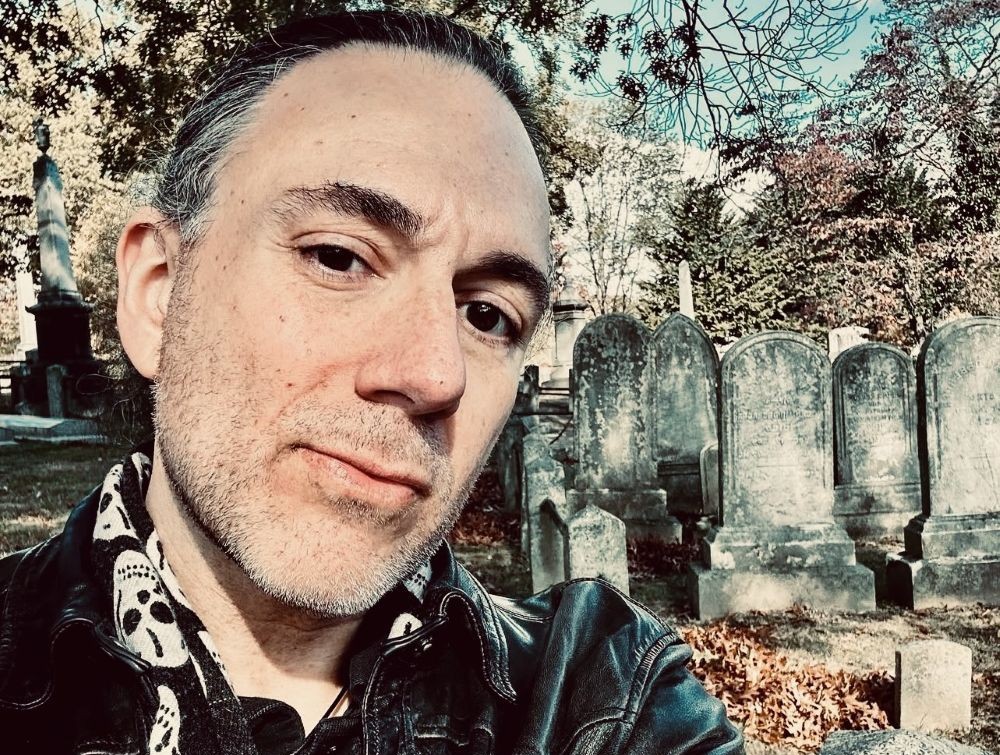
Antonio Pagliarulo is the author of "Queer Saints: A Radical Guide to Magic, Miracles, and Modern Intercession." (Courtesy of Antonio Pagliarulo)
Pagliarulo argues that such practices belong to a long tradition of folk Catholicism, particularly in Southern Italy and among Catholic immigrant communities, where faith has often been expressed through domestic rituals, home altars, blessings, candles and local devotions alongside the sacramental life of the institutional church itself.
Pagliarulo describes folk Catholicism as "simple practices of the people."
"I grew up with certain traditions, and my grandparents were Catholic," he said. "My grandmother diagnosed and removed the malocchio (evil eye)."
The book includes prayers, novenas, offerings and devotional exercises rooted in these popular traditions, presenting them as complementary to more familiar Catholic practices rather than as alternatives to them.
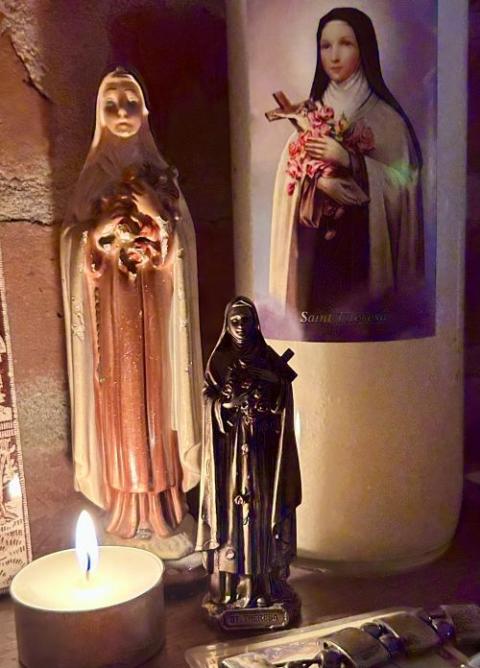
An altar created by Antonio Pagliarulo is dedicated to St. Thérèse of Lisieux. (Courtesy of Antonio Pagliarulo)
One of the book's more distinctive features is its broad interpretation of sainthood. Alongside figures such as Francis of Assisi, Joan of Arc and Hildegard of Bingen, Pagliarulo profiles artists, activists and public figures whose lives, he said, exemplified courage, service or resistance to social expectations. They include 9/11 hero Fr. Mychal Judge, Lady Diana Spencer, Tina Turner, poet Allen Ginsberg and many more.
He traces this perspective to his own experience growing up Catholic while practicing folk spirituality.
In this context, for Pagliarulo, the word "queer" carries a broader meaning than sexual orientation or gender identity alone.
"Queer is also the identity of the brave," he said. "It's also someone who rails against established norms, who rails against 'this is what you're supposed to do,' what society expects you to do."
In that sense, the book argues that many historical figures who challenged cultural expectations can serve as spiritual models regardless of whether they were formally recognized by the church. "So why wouldn't they be saints?" he asked. "They can help us."
That broader approach is likely to be one of the book's more debated aspects, particularly among Catholics who understand sainthood primarily through the church's canonization process. Rather than proposing changes to Catholic doctrine, however, Pagliarulo frames his work as an exploration of popular devotion and personal spirituality.
A recurring theme throughout the book is the relationship between worthiness and prayer. Pagliarulo said that many LGBTQ+ Catholics have experienced exclusion or rejection in religious settings and argues that devotional practice begins by recognizing one's inherent dignity.
"The first thing you have to do before you decide that you want to work with these saints, you have to understand that there is no need to beg, because you are already worthy to receive a miracle," he said. "You are already worthy to receive and experience it."
Advertisement
He believes that message is especially relevant for LGBTQ+ Catholics.
"So many of us have been told that we are not worthy, that we're less than, that we're wrong," he said. "Many in the queer community go around saying maybe it's even an underlying belief or a subconscious belief that you're not worthy of things."
Another theme is the author's understanding of saints as approachable figures whose humanity makes them effective intercessors. The saints were human first, Pagliarulo writes. "They had our experiences: fear, insecurity, whatever troubles we've gone through."
The book also places considerable emphasis on domestic spirituality. Pagliarulo says that popular devotional practices allow believers to cultivate a sense of connection with God beyond the walls of a church.
Asked about Pope Francis' recurrent appreciation for popular piety and the "theology of the people," Pagliarulo said he believes these traditions foster a more immediate relationship with the divine.
"I think Pope Francis recognized that when things become too secularized, it does create a kind of division," he said. Folk practices, he added, remind people that "your connection to God is not dependent on going to a church."
"It starts at your kitchen counter, it starts in your bed. It starts wherever you want to."