(Unsplash/Dmitry Beloglazov)
My wife of 53 years knew she was dying.
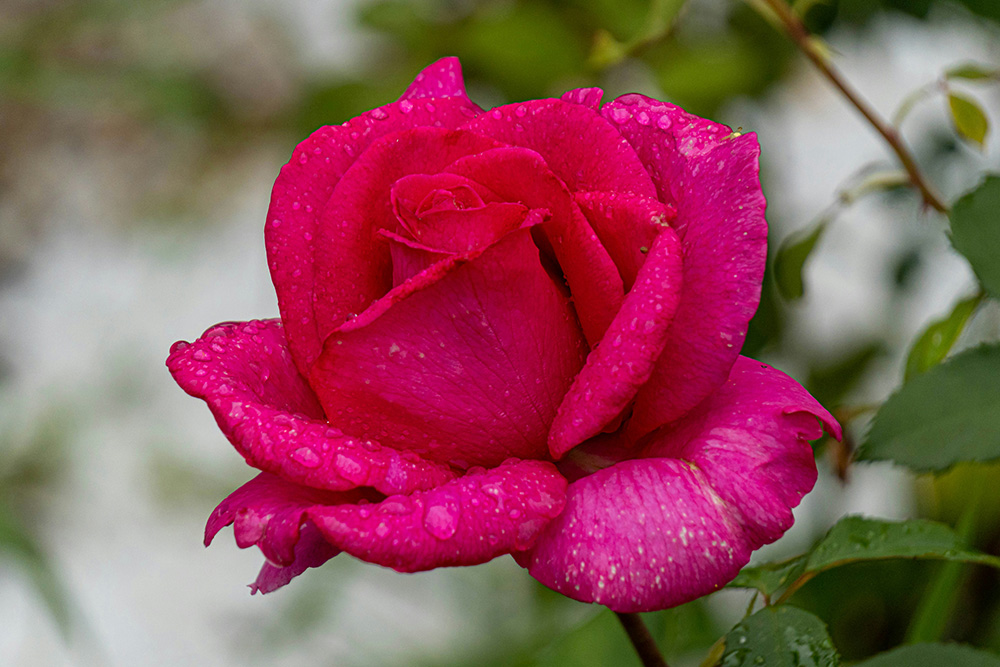
From her bed in the nursing facility, she looked at me with pleading eyes, all 60 pounds of her, and said, "Can we go to heaven together?" She noticed me crying, then added, "Kel, look to our memories. God gave us memories so that we may have roses in December. Remember that I have, and will always, love you."
Ellie's words validated the decision I made, after much tossing and turning, months ago to preserve and protect those memories she so poignantly and preciously treasured, and allow them to live in me each day. You see, I was going to sell the home we had lived in for 40 years and move into the independent neighborhood of the senior living facility where Ellie received care in the nursing section. I had even put a $3,000 deposit down on a small one-bedroom apartment.
But I didn't — couldn't — move in.
I knew there would be no memories in that senior living facility, only the sad memory of being where she died. I wouldn't feel Ellie's life like I would in our home, in the photos (us in our beloved Falmouth in Cape Cod, running together, opening the 15 gifts we gave each other every Christmas, getting married), or the poems I'd written for her that she'd framed and hung on our living room walls, or the recipes she stacked in the kitchen drawers (roast pork with rosemary, St. Patty's Day ham and cabbage, ziti with meatballs), or in the little notes she left in my drawer or gym bag, or even sent to me through the mail: "It was great watching you play basketball tonight. It's just like always. You haven't changed a bit — still fast, accurate and amazing. I'm proud of you. Keep your guts, little #3. Love always, Ellie."
But most of all, it was Ellie's faith-driven spirit that would dominate my memory of her. I knew of no one who loved God more than El did. When I was asked to coach the basketball team and teach a writing course at the school where she'd taught French for 50 years, I asked her, "El, what should I do?"
"It's time you gave back," she told me. "That's what God would want you to do. God gave you skills that you could pass on and help others. They will be memories you will have forever, just as the memories I have for all these years teaching the kids at the school."
She was right.
She was there helping me coach every game, and shared the five championships we won by making posters and putting together photo albums of those years. Memories.
Advertisement
Ellie and I always put stock in the importance of memories. We believed that memories are a healthy, wealthy and wise way to stay in touch with who we are, who we became. When aging was squeezing what's left of our lives, we knew that if we neglected our memories, there would be no access to a historical and cultural context of our life together, nor an understanding of the ties that have strengthened and solidified our lives, nor a sense of connection to those people and experiences that helped shape us.
Without memories we would feel unmoored, even orphaned. Cherishing memories leavened our life, even elevating the relevance of it, for we believed that if we had chosen to live in the darkness of aging, it would overshadow the sunlight of our past.
And so, I made sure to bring our memories into Ellie's nursing facility: favorite pigs from her 200-piece collection, dolls from her childhood, the poems I wrote for her each Christmas, photos of loved ones, and flowers: roses, African violets, chrysanthemums. I gave her many flowers during our 54 years of marriage.
Ellie would smile when I'd bring her something from our past, and say, "Thanks, Kel. They make me happy. Remember, I told you that God gave us memories so that we may have roses in December." Palpably, I could feel those memories breathing through my wife's soul.
One early Friday morning, I received a phone call from one of Ellie's nurses at the nursing facility. "You'd better get up here now." I knew.
Ellie was barely breathing when I arrived. I held her hand for an hour, reflecting on the words she'd said just weeks ago: "Kel, can we go to heaven together?" Ellie didn't make dying larger than it was. The pain and grief of Parkinson's and death didn't swallow her of detachment. She never separated from us, from our life together, our love for each other. Holding her hand, I watched Ellie take her last breath. Her last words to me were: "I love you."
I felt like I died, too.
For Ellie's celebration of life service, I made sure that memories were strewn around her casket like a necklace. I chose the same photos, pigs, poems and flowers that I had brought to her in the nursing facility. Before anyone arrived for the service, alone with Ellie, I put my hand on hers and scanned all the memories surrounding her. In one shining moment my soul saw what Ellie had told me: "God gave us memories so that we may have roses in December." It was only February, but the scent of December roses was in the air.