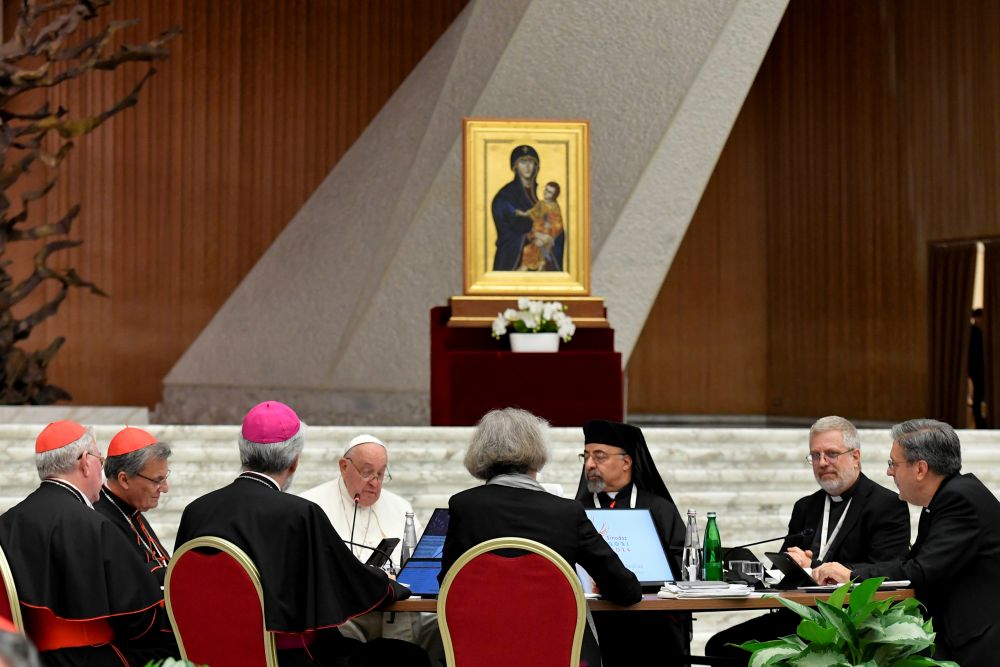
Pope Francis speaks to members of the Synod of Bishops on synodality after they approved their final document Oct. 26, 2024, in the Paul VI Audience Hall at the Vatican. (CNS/Vatican Media)
Join the Conversation
Send your thoughts to Letters to the Editor. Learn more
Shortly before launching his vision for making the world's largest institution by membership a more listening and participatory body, Pope Francis noted a "certain resistance to moving beyond the image of a church rigidly divided into leaders and followers."
Weeks later, the late pope dusted off the esoteric term "synodality," Greek for "walking together," when he opened the church's global synodal path in October 2021, charting the course for what even he admitted would be a "slow and perhaps tiring exercise" of increasing participation in the life of the Catholic Church among all its members.
Five years later, synodality remains a wedge issue within the church, the target of fierce and frequent attacks by conservative clerics.
But after sparking tens of thousands of conversations about the life of the church held among all its members around the world, which culminated in two Vatican summits and set the stage for greater lay involvement and transparency in church governance, synodality increasingly appears here to stay.
Francis made clear his view that synodality represented the future of the church — he wrote that the church must have a "character of synodality" in his 2022 reform of the Roman Curia — but his death in 2025 raised the question of whether it would be a single-pontificate project.
Pope Leo XIV answered that question with a resounding "no," calling for a synodal church in his first public address following his election.
Now, as the synodal path continues into its implementation phase, with its sights set on another Vatican summit in 2028, several church leaders working on synodality worldwide told the National Catholic Reporter that despite resistance, synodality is largely taking root at the local level and propelling a sweeping cultural change across the universal church.
Creating a culture of synodality
The church's synodal shift "doesn't make a lot of noise, but it's something deep," said Sr. Nathalie Becquart, undersecretary of the Vatican's synod office, told NCR in an interview at the Vatican. "There is still a lot to do, but people are more and more confident that this is the way forward."
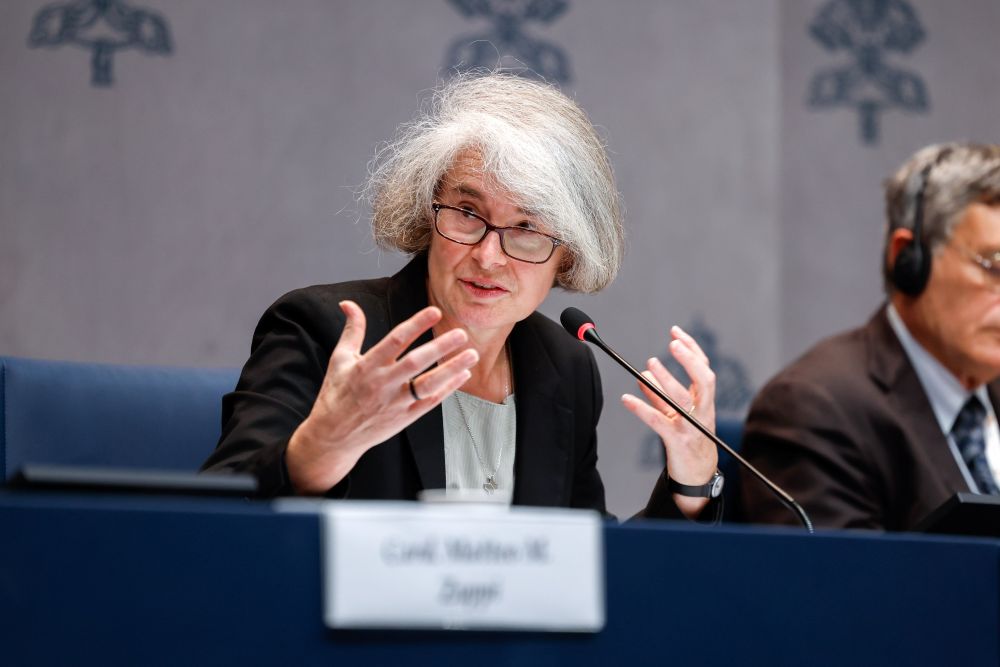
Xavière Missionary Sr. Nathalie Becquart, undersecretary of the Synod of Bishops, speaks at a press briefing about the Synod of Bishops at the Vatican Oct. 21, 2024. (CNS/Lola Gomez)
The French religious sister, a member of the Congregation of Xavières and a public champion of synodality since being placed in her Vatican post in 2021, said that although perceptions of the process can be shaped heavily by personal experience or media coverage, she has no doubt that it is gaining traction across the church.
"If you don't see something happening (on synodality) in your small parish, you feel that nothing is happening, but if you look at the big picture there is so much," she said.
Schools forming people in synodal practices have been established across Europe and Africa, and academic programs to train leaders in synodality have been developed in Latin America, the Middle East and in the United States.
Those initiatives, as well as the current implementation phase of the Synod of Bishops on synodality which is expected to continue through 2028, are merely part of a cultural, and even spiritual, shift taking place throughout the church, several people told NCR.
One of the Vatican synod office's main goals is to convey that synodality is not primarily an administrative process, but a habit of consultation and discernment spread across all levels of church life. For Becquart, that consists of "a new way of making decisions, that is, with listening, consultation, participation."
"But it's not only trying to listen to people to then send reports to Rome," she said. "It's about how they discern in their local context the way to be more and more synodal in their style."
Concretely, the synodal process resulted in Francis incorporating the 2024 assembly's final document into his papal magisterium. The document, which calls for increased lay involvement in church governance and decision-making, stops short of making any concrete change in church teaching or governance.
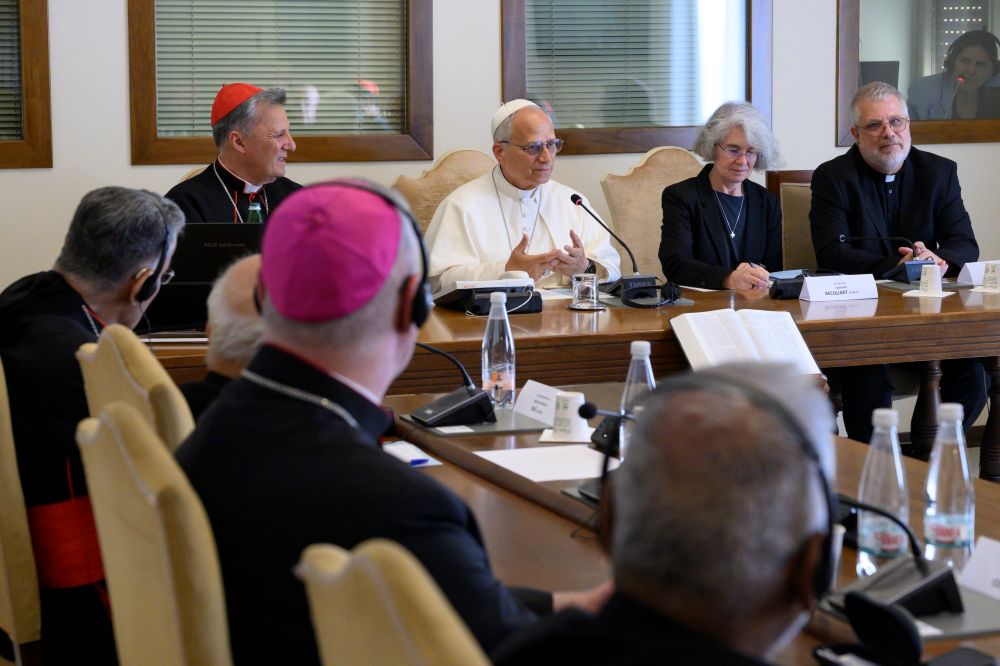
Pope Leo XIV speaks with leaders of the "continental bodies" representing Latin America, Africa, Asia, Europe, Oceania, the Middle East and North America, together with the coordinators of the continental synodal teams, during a private meeting at the Vatican June 25, 2026. (CNS/Vatican Media)
Just how far other, more tangible proposals for changing how the church operates will go remains for Francis' successor to decide.
Over the last year, the Vatican's synod office has published reports from study groups that were formed out of the 2024 synodal assembly to study particular questions in depth. Their reports, which are not part of magisterium, asked how the church can develop pastoral models to better accompany LGBTQ Catholics and proposed changes to canon law to open more space for the laity to become actively involved in church governance. Now they are sitting on Leo's desk for review.
Putting synodality into practice
Those reports drew criticism from some Catholics who view synodality as a threat to the authority of the clergy, a concern which Leo has repeatedly dismissed and which were voiced even among the U.S. Catholic hierarchy in the earliest days of the synodal path.
At the November 2021 plenary assembly of the U.S. bishops' conference, Archbishop Joseph Naumann of Kansas City said there were many "concerns amongst Catholics that this process can be manipulated," fueled by accounts of radical synodal processes in Europe, presumably Germany, and "what we've heard even from the leadership of those that are leading the synodal process."
Despite those concerns, the church in the United States has a leg up when it comes to implementing synodality, Auxiliary Bishop Juan Miguel Betancourt of Hartford, Connecticut, the U.S. bishops' liaison for the synod, told NCR.
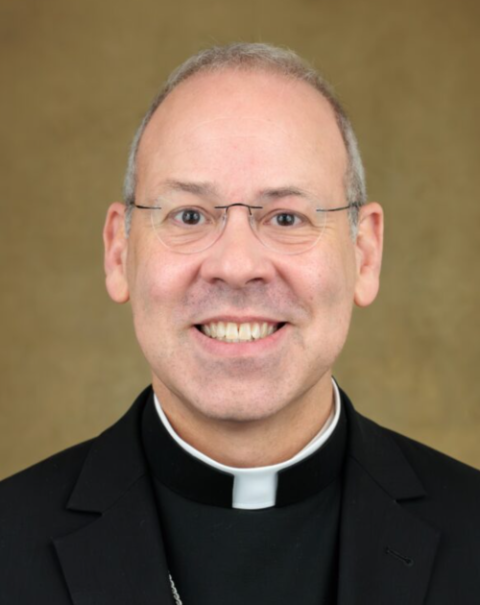
Auxiliary Bishop Juan Miguel Betancourt of Hartford, Connecticut, the U.S. bishops' conference's liaison for the synodal process (Archdiocese of Hartford/Aaron Joseph)
The U.S. church has already normalized the existence of parish finance councils, diocesan pastoral councils and other bodies where the laity is active and which are still being developed in many local churches worldwide, "but the Holy Father wants us to go deeper, to bring (synodality) as a culture."
Specifically, that means fostering a spirituality of synodality within the church that is marked by listening.
Betancourt recalled one archbishop who has become more intentional about how he begins meetings with staff, opening with scriptural reflection rather than moving immediately into business after a quick prayer.
"He has reported that the mission is now more focused," the bishop recounted. "Now it's more (about), 'Where is Christ in all this? Where is the Holy Spirit taking us?' Synodality has helped change the atmosphere in the chanceries from more business-like into one that is more missionary."
The U.S. bishops have also changed the structure of their plenary assemblies to allow more time for "fraternal dialogue" and synodal conversations. Practically speaking, that has meant moving from straight rows of seats to round tables.
Several U.S. dioceses, such as Cincinnati and Fort Wayne-South Bend, have also convoked their own diocesan synods. The Diocese of Phoenix launched a permanent synod office earlier this year.
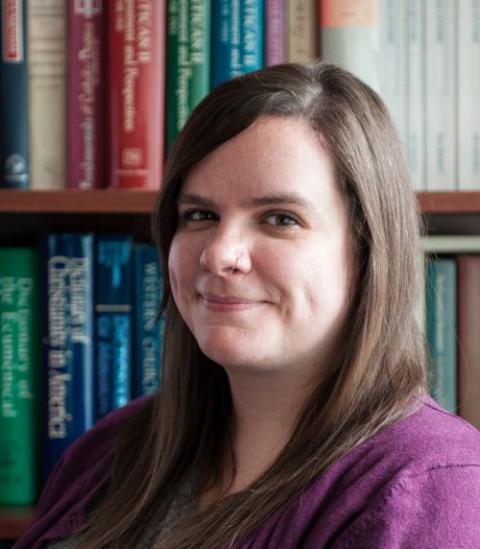
Julia McStravog, senior adviser for the synod to the U.S. bishops' conference (Jessica S. Zurcher)
"The longevity of synodality is going to happen in these smaller ways in the life of the local church," said Julia McStravog, a senior adviser for the synod to the U.S. bishops.
Though some "fear and anxiety" around synodality still exists among the clergy in the United States, "it's significantly lessened" since the term first became popularized in 2021. "Once people start getting in the practice of it, the habit of it, focusing on their own conversion and focusing on relationships, prayer and spirituality, the easier it becomes," McStravog said.
"Even if in 2028 things end programmatically, I don't think there will be a reversion back to business as usual, because this whole time they've been implementing (synodality)," she said.
Beyond resistance
While active resistance to synodality among the clergy is often what makes headlines in Catholic media, apathy among the laity may be a larger obstacle in the church's embrace of synodality, said Argentine Fr. Pedro Brassesco, who from 2021-2025 led the Latin American bishops' council's synodal efforts.
"What typically happens is not a conviction against (synodality), but a lack of conviction in general, leaving synodality aside and going about business as usual," he said. "There is a lack of understanding."
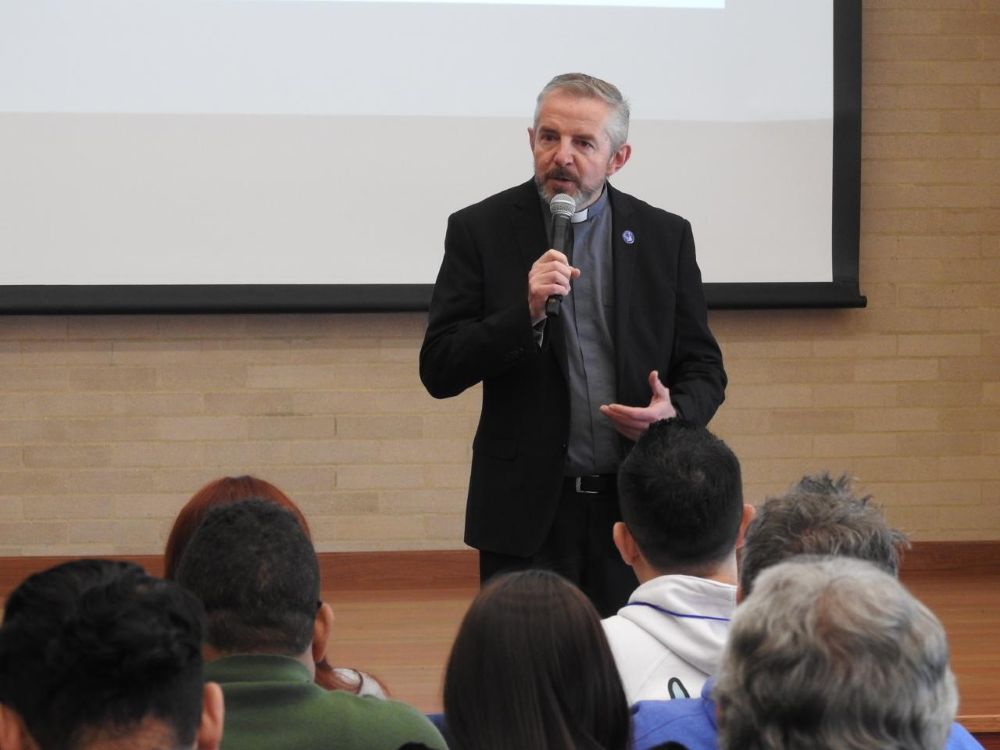
Argentine Fr. Pedro Brassesco led the Latin American bishops' council's synodal process from 2021-2025. (Courtesy Pedro Brassesco)
For Brassesco, encouraging communities to embrace synodality must be coupled with the deeper theological understanding that the laity "not only have the right, but the duty to express themselves."
That's also a symptom of the vast inequality across Latin America, he said, where some churches have robust parish councils and active lay engagement whereas others are almost entirely dependent on the local priest.
Even where participatory structures exist, Brassesco said, they can become bureaucratized or function merely to ratify decisions already made by clergy. In some communities, "it is hard for the laity to accept the possibility of participating, of speaking up without feeling that you are stepping on somebody's toes."
Still, he pointed to the growth of synodal "animation teams" in dioceses across Latin America, as well as the organic spread of "conversation in the Spirit," the listening and discernment method promoted by the Vatican's synod office, as signs that the process is moving beyond mandated consultations and into ordinary church life.
The challenges faced by synodality in Latin America mirror those in Asia, where some local churches have pressed ahead in implementing a synodal church while others lag behind.
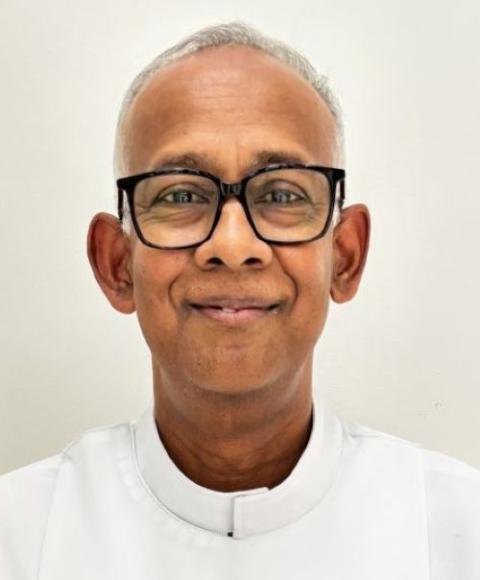
Malaysian Fr. Clarence Devadass is executive secretary of the Federation of Asian Bishops' Conferences' Commission for Synodality. (Courtesy Clarence Devadass)
Malaysian Fr. Clarence Devadass, executive secretary of the Federation of Asian Bishops' Conferences' office for synodality, said churches across the continent are moving at vastly different speeds, even if each national bishops' conference now has a team dedicated to the synodal process. Often, he said, progress depends heavily on whether the local bishop has embraced synodality and is willing to drive it forward.
Asia is unique in that Catholics often live as a minority alongside other religious communities, making dialogue an ordinary part of the church's life throughout the region, and forcing the church to heavily depend on laypeople to carry out its mission.
Nevertheless, Devadass still identifies a deeper cultural shift still taking place throughout the church in Asia due to synodality's emphasis on small-group listening and decision-making. "It used to be, 'let's take a decision,' now we say 'let's discern together.' That's not something you would hear maybe 10 years ago," he said.
The next step, he added, is ensuring those conversations translate into genuine participation in decision-making processes through the formation and strengthening of pastoral councils.
Such a transition, Devadass said, is the "reawakening of Vatican II," and will not come to a close even after the 2028 Vatican assembly which is set to conclude the formal synodal process.
As the church continues to seek how to respond to a rapidly changing world, it must remember that "every baptized person has been given the Holy Spirit," he said. "We are not in control of how the Holy Spirit should speak."
The National Catholic Reporter's Rome Bureau is made possible in part by the generosity of Joan and Bob McGrath.
Advertisement