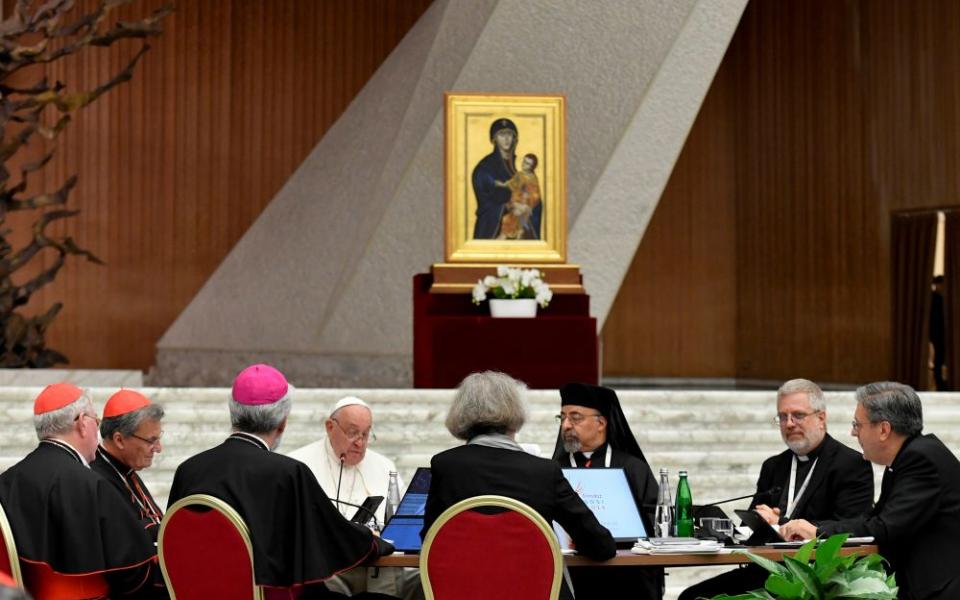
The synodal shift "doesn't make a lot of noise, but it's something deep," said Sr. Nathalie Becquart. "There is still a lot to do, but people are more and more confident that this is the way forward."
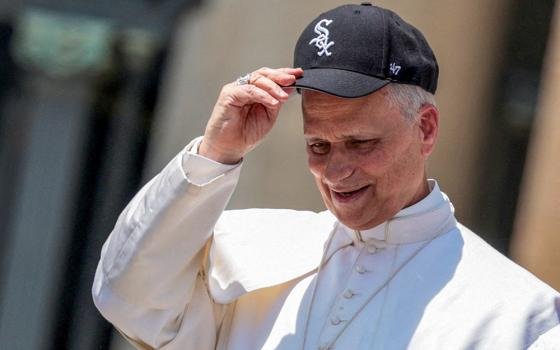
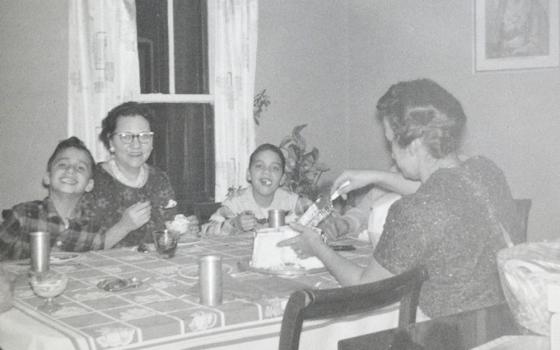
The notion of the leader of the Catholic Church playing a word game, lingering at a parishioner's kitchen table, or going to a ballgame does make him seem more human. And this ordinariness can be a model for us.
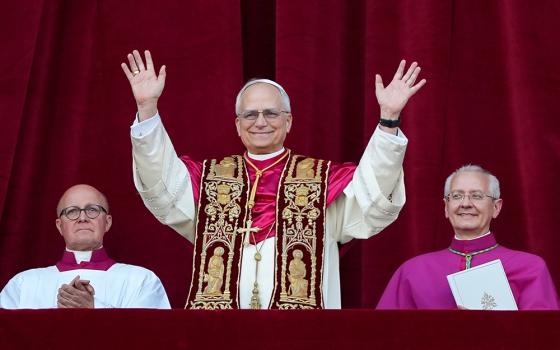
When white smoke billowed out of the Sistine Chapel last May, NCR's former Vatican correspondent Christopher White was there. White thought it would be Robert Prevost: "His election may have been a surprise, but he isn't."
Growing up in Chicago and then attending seminary in Michigan as a young teenager, Robert Prevost would have been aware of change taking place in both his hometown and the church.
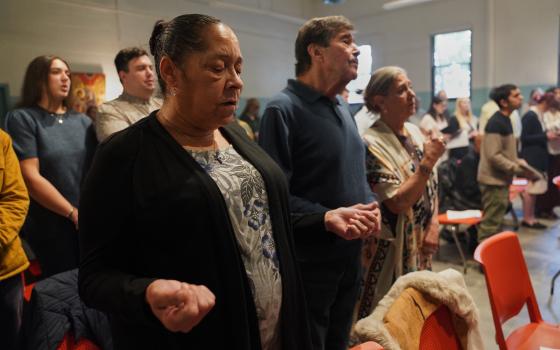
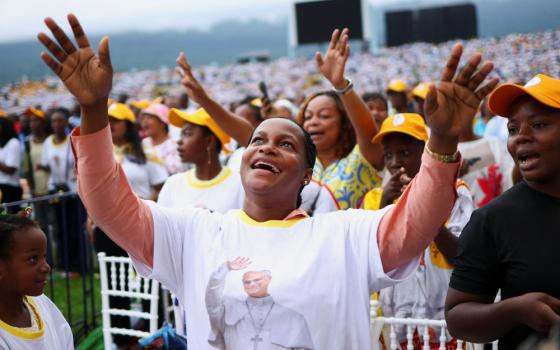
Worldwide, the landscape of religion is not serene. Many denominations have been racked by divisions. In some regions, believers are targeted with violence. Countless faith leaders have betrayed their flocks via corruption or sexual abuse. Against this backdrop, there has been a long-running discussion about the role that religion can play in enhancing personal well-being and lowering the risk of mental health problems.
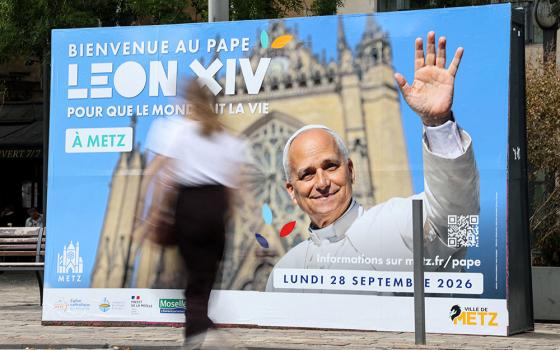
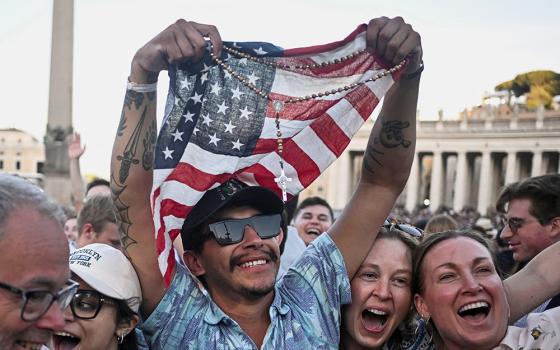
Catholics had become conditioned to believe the conventional wisdom that an American would never be elected pope, writes Michael J. O'Loughlin. Nearly a year after his election, what does it mean to have a pope from the U.S.?
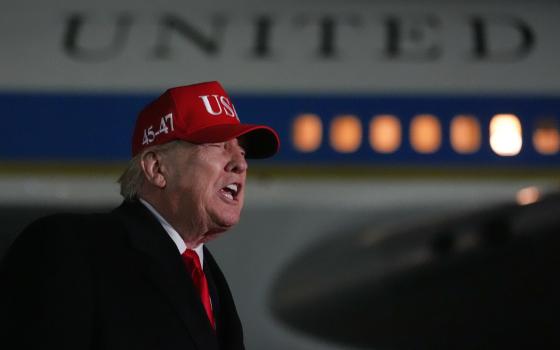
The scriptural passage that President Donald Trump read in a livestreamed Bible-reading marathon dates back to the depiction of an ancient event — but it's one that carries a highly charged significance in the current religious and political climate.
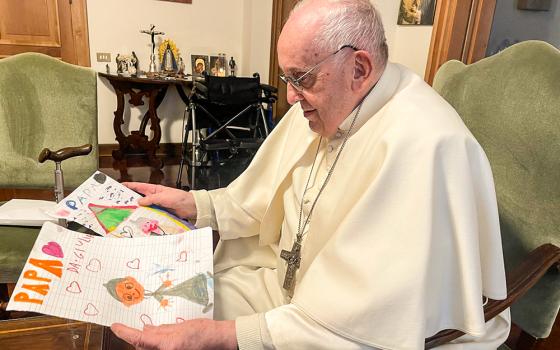
Vatican journalist Salvatore Cernuzio's new book, Padre: An Untold Portrait of Pope Francis, is a narrative built from proximity, trust and the unusual, intimate relationship between its author and the late pope.