
(Dreamstime/Amani A)
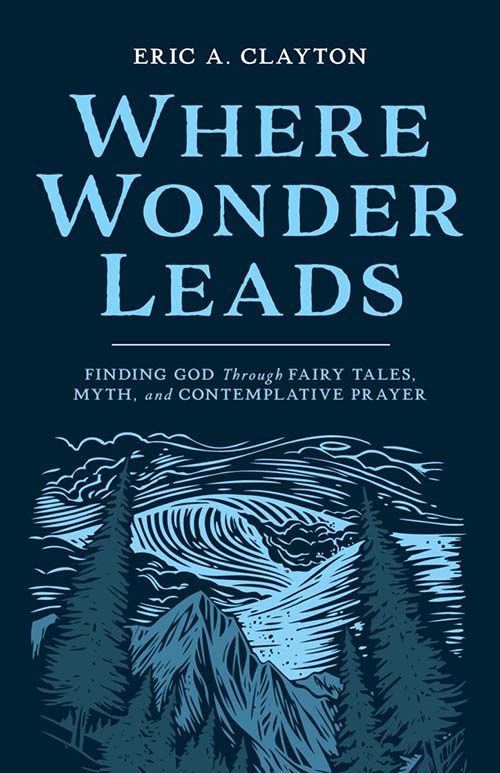
Something new has crossed the border into faerie; and like Gandalf the Grey, Eric Clayton's Where Wonder Leads arrives precisely when it meant to.
The book takes the Ignatian practice of imaginative prayer and carries it into the land of dragons and enchanted woods, of lost heirs and long roads home. The book knocks on an unsuspecting door to beckon the reader not merely to find adventure, but to find the self — and God — along the way.
Clayton leads the reader through 35 guided meditations, each drawn from fairy tale, fantasy or myth, each paired with a practice of prayer. Chapter by chapter, a host of characters appears, and with them the particular adventure that each of their worlds affords.
Clayton does for the reader what Gandalf does for a hobbit and Dumbledore does for an orphan. He points the way, names the dangers and steps aside. The aim is double: a self-reflection that looks inward, and a communal awareness that looks outward, toward the greater world and the Divine that animates it.
Where Wonder Leads does its work with substance; story does the heavy lifting. Clayton does not hide behind devotional repetition or the worn tropes of the self-help shelf, where every discipline promises its own betterment. This is soul work. It is done in the company of the literary communion of saints, and of their foes, and in their stomping grounds.
Clayton understands that the characters of an epic can accompany a life and shape it for good. In an interview with the National Catholic Reporter, he said, "We have the community of saints to show us. We can grapple with the faith, and we have writers that inspire us ... but in the same way that we're inspired by Dorothy Day or Francis of Assisi because of the way they accompanied folks on the margins, characters in the story can do the same."
Coming to this material as an avid reader of science fiction and fantasy, Clayton knows firsthand what speculative story does for the spiritual life. Where most students of J.R.R. Tolkien stop at analysis, Clayton presses further, suggesting we actually pray with the material.
"We know that fairy tales came out of [Tolkien's] faith background, his own Catholic imagination," Clayton explained, "but what if we brought it into dialogue with our own reality? ... I think the fantastic itself is something we can attach to our prayer lives."
Advertisement
Prayer with the imagination is old Ignatian ground; the participant opens Scripture and puts themselves in a Gospel scene, engaging their senses and heart to let the Spirit speak through the story at hand. Clayton takes this concept and widens the field. The Gospel scene is not the only stage on which the imagination can meet God. The enchanted wood will do.
Tolkien and C.S. Lewis both knew the power of faerie to ignite imagination and transformation. Lewis built Narnia as theology, though never a direct one: "If I am now good for anything it is for catching the reader unawares thro' fiction and symbol." Adventure through the perilous realm was always the mode of operation, the way of capturing a heart that would resist a sermon.
Clayton, for his part, has taken what Tolkien and Lewis did on the page and turned it toward the one praying. He asks the reader to do more than admire the water turned to wine; he asks the reader to drink.
"We often talk about fantasy as escape," he told NCR. "So I hope that folks can maybe take a little escape, get out of themselves into the story. Cast themselves, as C.S. Lewis might say, into the imaginary realms so that they can then come back and get after the work in their real lives."
Where Wonder Leads is knocking. The only question left is whether the door opens.