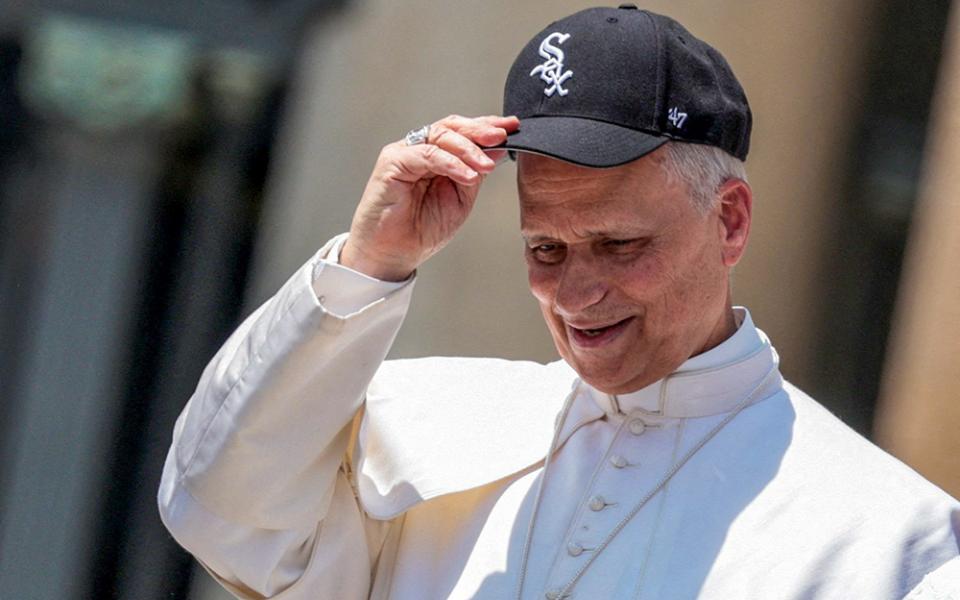
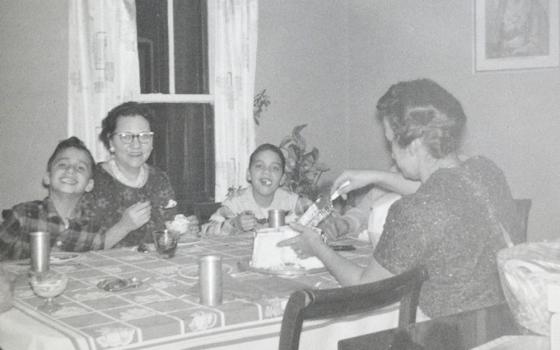
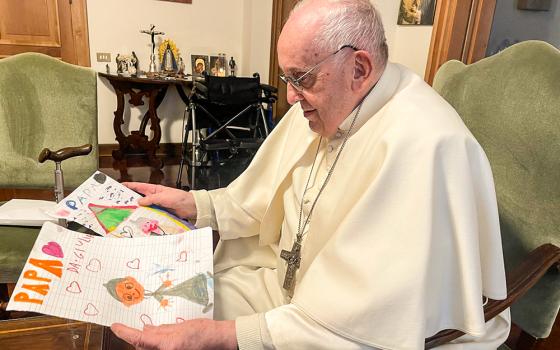
The notion of the leader of the Catholic Church playing a word game, lingering at a parishioner's kitchen table, or going to a ballgame does make him seem more human. And this ordinariness can be a model for us.
Vatican journalist Salvatore Cernuzio's new book, Padre: An Untold Portrait of Pope Francis, is a narrative built from proximity, trust and the unusual, intimate relationship between its author and the late pope.
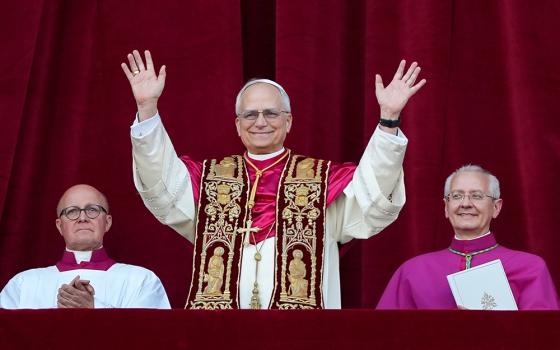
Since his election last May, Pope Leo XIV has hammered home the theme of unity. But nowhere has that message taken on sharper contours than in Angola, where the long shadow of civil war and stark inequality continues to fracture the nation.
"Leo has started to shed the soft-spoken reputation, raising his voice with a newfound fervor to decry the corruption and violence plaguing much of the African continent in messages that have rippled worldwide," writes NCR's Justin McLellan.
In Africa, Leo has shared a stage with authoritarian leaders and, at their own invitation, admonished aspects of their governance. It is precisely because the pope is not a politician that he can operate in such a way.
Pope Leo XIV does not want church leaders and Catholics to be partisans; rather, he is inviting Catholics to apply teachings about peace and human dignity in novel and meaningful ways.
The messages come as some Catholic and Christian influencers broadly peddle antisemitic tropes — including the charge of deicide, or the alleged collective Jewish responsibility for the death of Christ — repudiated by the Church in the wake of the Council of Trent and even more explicitly at the Second Vatican Council.